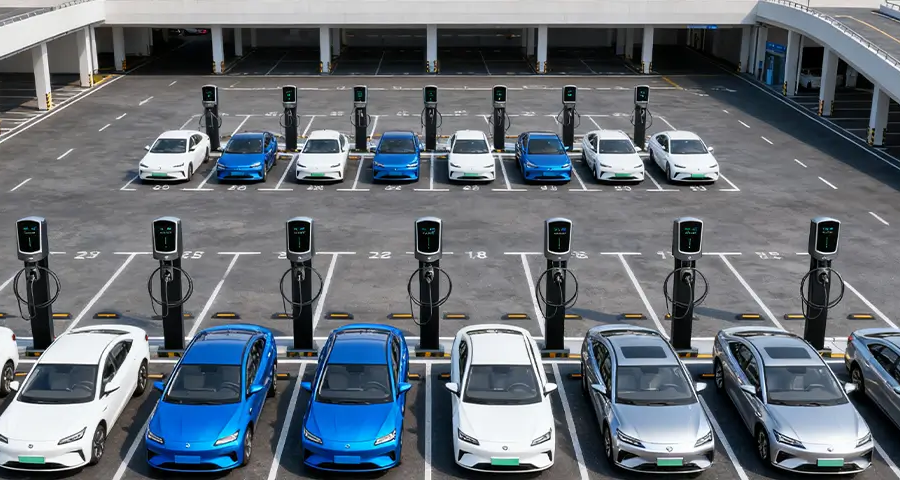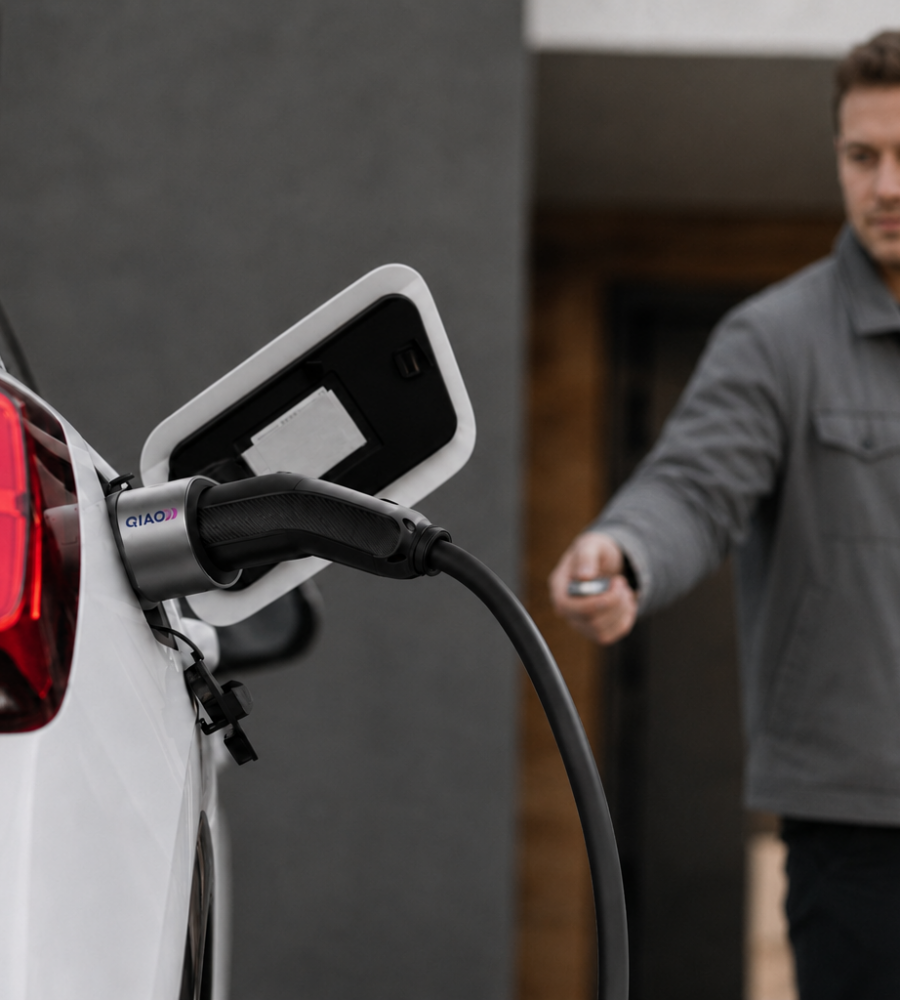

As electric vehicles (EVs) continue to gain global adoption, the demand for reliable and user-friendly charging infrastructure is growing rapidly. A well-designed charging station is more than simply installing charging equipment. It involves careful planning of electrical capacity, user experience, safety standards, and long-term scalability.
This article explores the core elements of EV charging station design and how businesses, property owners, and municipalities can create efficient and future-ready charging environments.
Understanding the Fundamentals of Charging Station Design
Charging station design refers to the planning and implementation of infrastructure that enables electric vehicles to recharge safely and efficiently. A complete charging station system typically includes:
- EV charging equipment
- Electrical infrastructure
- Network connectivity
- User interface and payment systems
- Parking and accessibility planning
The goal of effective design is to ensure reliable performance, optimal energy management, and a seamless charging experience for EV drivers.
Key Factors in EV Charging Station Design
1. Location and Accessibility
Choosing the right location is critical for the success of any charging station.
Ideal locations include:
- Residential communities
- Commercial parking lots
- Shopping centers
- Office buildings
- Highway service areas
The charging station should be easily visible, accessible, and convenient for drivers. Proper signage and clear parking layouts also improve usability and reduce confusion.
2. Power Supply and Electrical Capacity
One of the most important technical considerations is the electrical infrastructure.
Designers must evaluate:
- Available grid capacity
- Transformer capability
- Load management requirements
- Future power expansion
Installing EV chargers without sufficient electrical planning may lead to grid overload or costly upgrades later.
Smart load balancing systems can help distribute power across multiple chargers while maintaining grid stability.
3. Charger Types and Compatibility
Charging stations should support widely used charging standards to ensure compatibility with various electric vehicles.
Common charging connector types include:
- Type 1 (SAE J1772) – commonly used in North America
- Type 2 (IEC 62196) – widely used in Europe
- GB/T – standard in China
- Tesla connectors – used by Tesla vehicles
Supporting multiple standards increases the accessibility and utilization rate of the charging station.
4. User Experience and Interface Design
A charging station should provide a simple and intuitive user experience.
Important design considerations include:
- Clear status indicators
- Easy plug-in access
- Mobile app integration
- RFID or contactless authentication
- Real-time charging information display
Many modern charging stations also allow users to monitor charging progress, control sessions remotely, and view energy consumption through mobile applications.
5. Safety and Compliance Standards
EV charging stations must comply with regional electrical safety regulations and certification requirements.
These may include:
- Overcurrent protection
- Ground fault detection
- Surge protection
- Waterproof and dustproof enclosure ratings (such as IP ratings)
Ensuring compliance not only protects users and vehicles but also helps operators meet regulatory approval requirements.
6. Network Connectivity and Smart Management
Modern charging stations are increasingly connected through smart networks that allow operators to monitor and manage infrastructure remotely.
Key connectivity features may include:
- WiFi
- Bluetooth
- 4G or cellular connectivity
- Cloud-based management platforms
These systems enable remote diagnostics, firmware updates, user authentication, and billing integration.
7. Scalability and Future Expansion
As EV adoption continues to grow, charging demand will increase significantly.
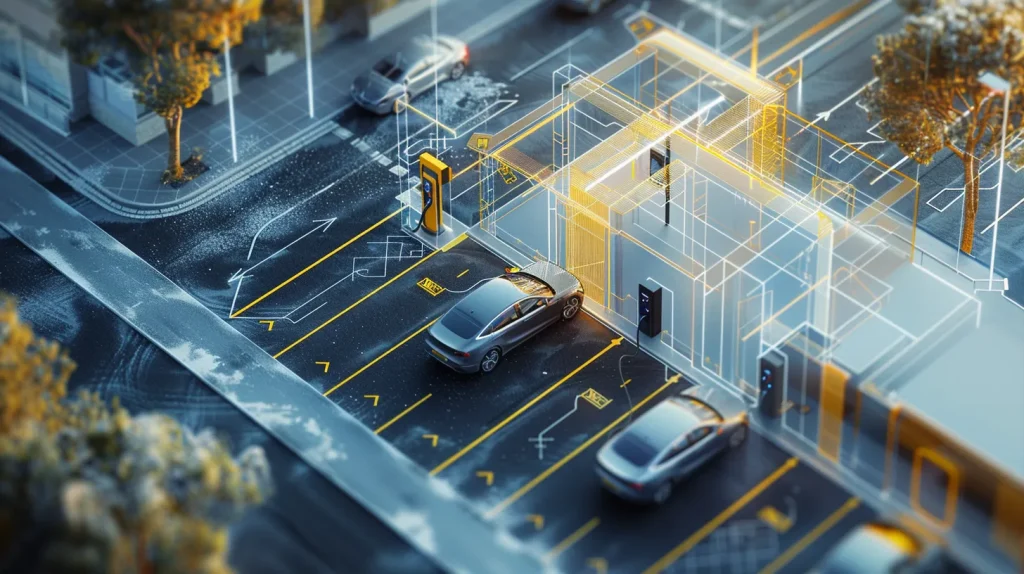
A well-designed charging station should allow for future expansion without major reconstruction.
Best practices include:
- Installing extra electrical conduits
- Planning additional parking spaces for future chargers
- Deploying modular charging systems
- Integrating energy management systems
Scalable design ensures long-term sustainability and protects infrastructure investments.
Sustainability Considerations in Charging Station Design
Sustainable charging stations often integrate renewable energy sources and energy management technologies.
Examples include:
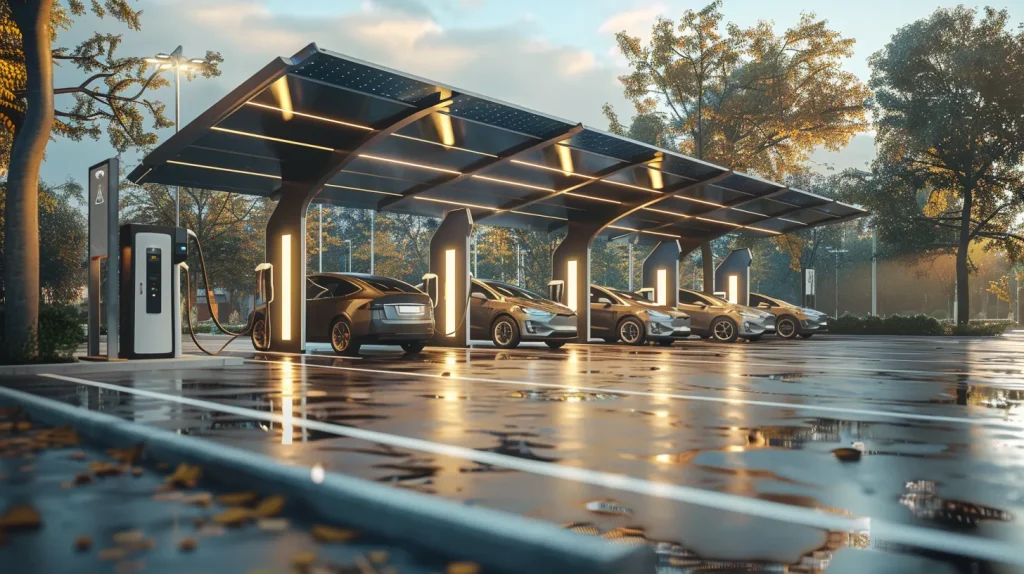
- Solar panel integration
- Energy storage systems
- Smart charging during off-peak hours
- Grid demand response systems
These solutions reduce environmental impact while improving energy efficiency.
The Future of Charging Station Design
As EV technology continues to evolve, charging station design is becoming smarter and more integrated with urban infrastructure.
Future trends include:
- Ultra-fast charging networks
- Vehicle-to-grid (V2G) integration
- AI-based load management
- Smart city connectivity
- Wireless charging technologies
Designing flexible and intelligent charging infrastructure today will support the mobility ecosystem of tomorrow.
Conclusion
Effective charging station design plays a critical role in supporting the growth of electric vehicles. By carefully considering location, electrical infrastructure, user experience, safety standards, and scalability, businesses and municipalities can create efficient and future-ready charging environments.Investing in well-planned charging infrastructure today will ensure reliable service, higher utilization, and long-term operational success.