
As EV fleets scale, charging becomes a complex operational challenge.
Without proper scheduling:
- Vehicles may not be ready on time
- Electricity costs increase
- Infrastructure is underutilized
The solution:
A well-designed fleet charging scheduling system
What Is a Charging Scheduling System?
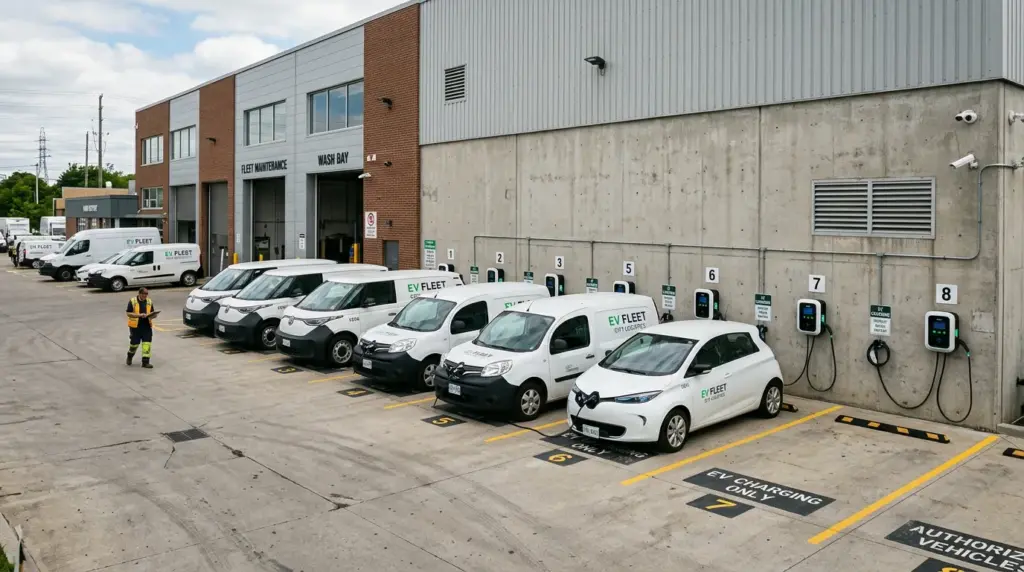
A fleet charging scheduling system is a software + hardware solution that:
- Determines when each vehicle charges
- Allocates available power
- Optimizes cost and efficiency
Why Scheduling Matters for EV Fleets
1. Limited Power Capacity
- Grid capacity is not unlimited
- Charging all vehicles at once is inefficient
2. Operational Constraints
- Vehicles have fixed usage schedules
- Charging must align with availability
3. Cost Optimization
- Electricity prices vary by time
- Smart scheduling reduces cost
4. Scalability
- More vehicles = more complexity
Core Design Principles
1. Priority-Based Scheduling
Vehicles should be prioritized based on:
- Departure time
- Battery level
- Route requirements
2. Load Balancing
- Distribute power across chargers
- Avoid overload
3. Time-of-Use Optimization
- Charge during off-peak hours
- Reduce electricity cost
4. Flexibility
- Allow real-time adjustments
System Architecture
A typical fleet charging system includes:
1. Charging Hardware
- Wall-mounted AC chargers
- Scalable installation
2. Energy Management System (EMS)
- Controls power distribution
- Optimizes energy usage
3. Scheduling Software
- Assigns charging tasks
- Manages priorities
4. Data Layer
- Vehicle data
- Charging history
- Energy consumption
5. User Interface
- Dashboard for operators
- Real-time monitoring
Scheduling Logic Example
Step 1: Collect Data
- Vehicle SOC (state of charge)
- Departure time
- Charger availability
Step 2: Assign Priority
| Vehicle | Priority Level |
| Early departure | High |
| Low battery | High |
| Idle vehicle | Low |
Step 3: Allocate Power
- Distribute available capacity
- Avoid peak overload
Step 4: Optimize Cost
- Shift charging to off-peak hours
Step 5: Monitor & Adjust
- Update schedule dynamically
AC Charging Advantage in Scheduling
AC charging works well because:
- Vehicles stay parked longer
- Power demand is moderate
- Easier to manage multiple chargers
Ideal for:
- Overnight fleet charging
- Depot-based operations
Real-World Example
Fleet Size: 100 Vehicles
- 50 AC chargers
- Charging window: 8 hours
Strategy:
- Priority scheduling
- Load balancing
- Overnight charging
Result:
- Full fleet readiness
- Lower energy cost
Common Design Mistakes
- Charging all vehicles simultaneously
- Ignoring time-of-use pricing
- Lack of real-time control
- Over-investing in DC chargers
Key Performance Metrics
| Metric | Why It Matters |
| Charger utilization | Efficiency |
| Energy cost per kWh | Profitability |
| Vehicle readiness rate | Operations |
| Peak load | Grid stability |
How to Implement a Scheduling System
Step 1: Assess Fleet Needs
- Size
- Usage patterns
Step 2: Evaluate Power Capacity
- Grid limitations
Step 3: Choose Charging Infrastructure
- AC vs DC mix
Step 4: Deploy Software System
- Scheduling + monitoring
Step 5: Optimize Continuously
- Use data insights
Where QIAO Fits In
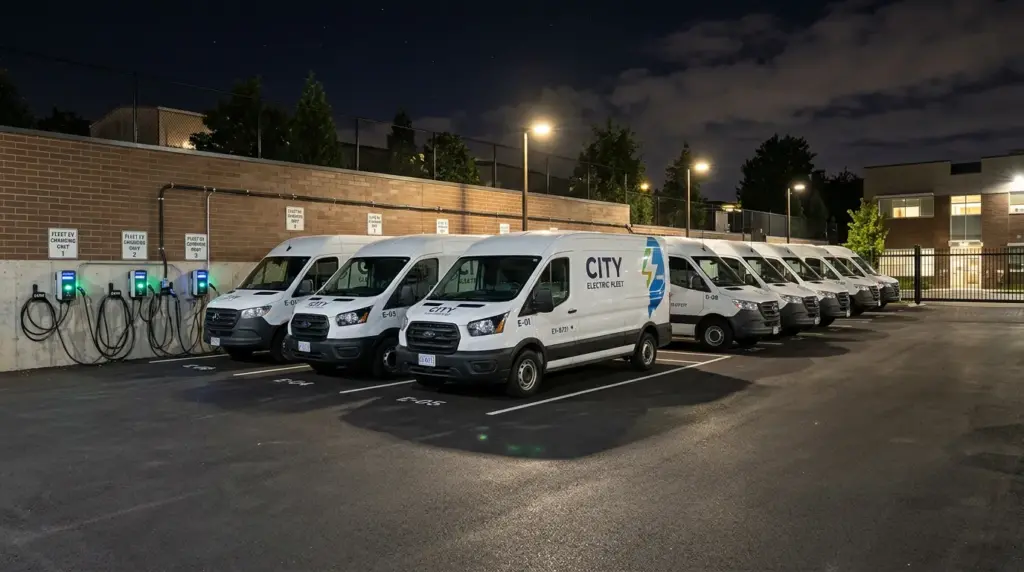
At QIAO, we provide:
- AC EV charging solutions designed for fleet optimization
- Supporting:
- Smart scheduling
- Load management
- Scalable deployments
Our solutions help:
- Improve charger utilization
- Reduce energy costs
- Ensure fleet readiness
Turning charging into a smart, optimized system
Future Trends
- AI-driven scheduling
- Integration with energy markets
- Fully automated fleet charging systems
FAQ
1. What is a fleet charging scheduling system?
A system that manages when and how vehicles are charged.
2. Why is scheduling important?
It improves efficiency, reduces cost, and ensures vehicle readiness.
3. Is AC charging suitable for fleet scheduling?
Yes, especially for overnight charging.
4. Can scheduling reduce electricity costs?
Yes, by using off-peak charging.
5. How does load balancing work?
It distributes available power across multiple chargers.