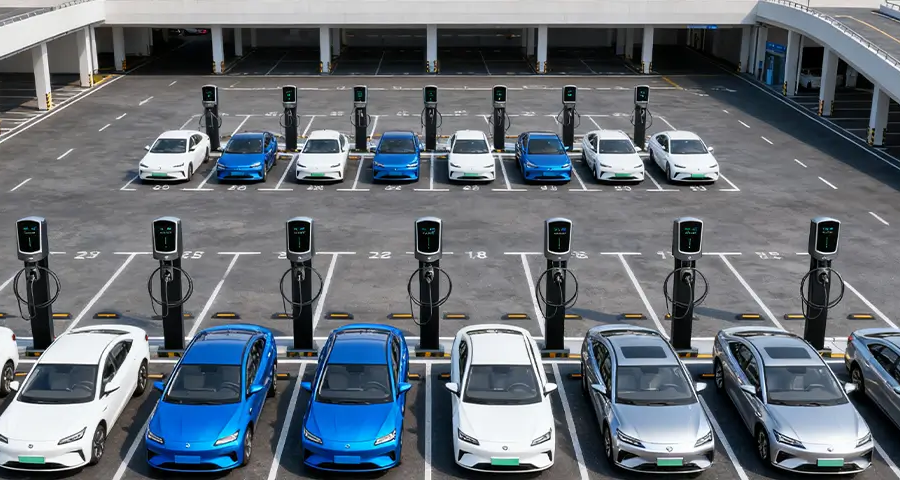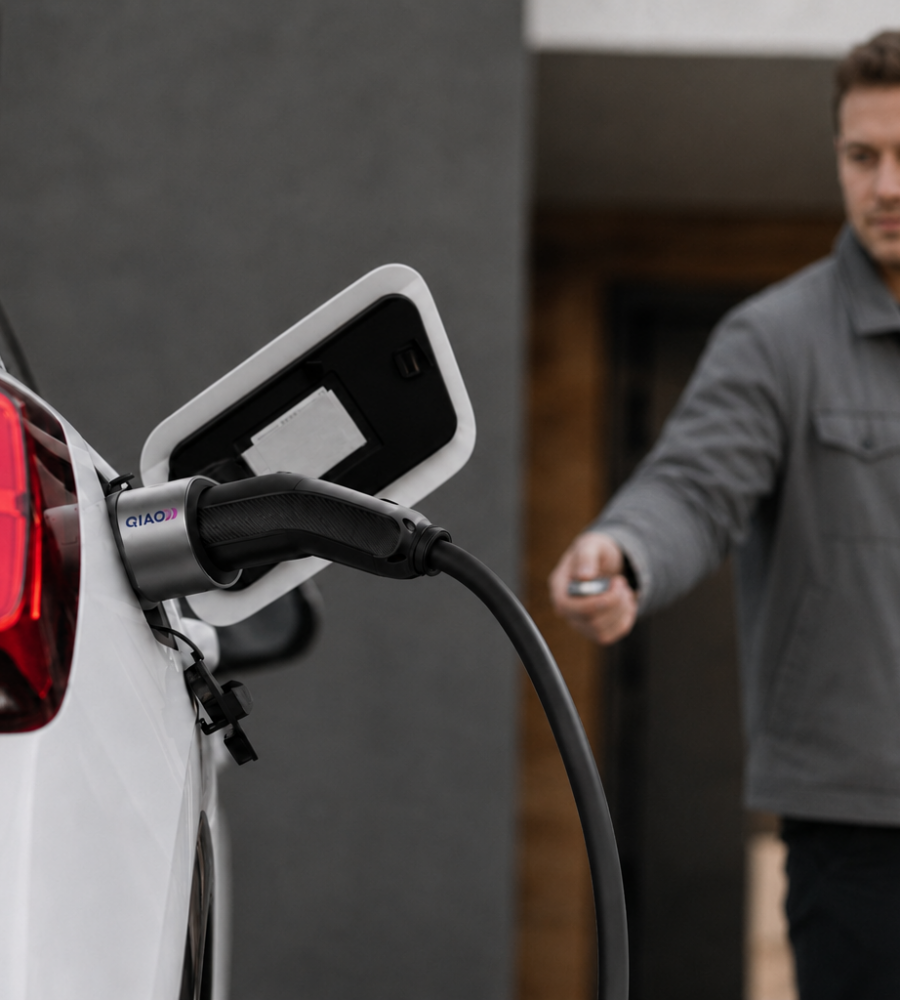

The adoption of electric vehicles in Europe has accelerated significantly in recent years. As EV ownership grows, more drivers are choosing AC home charging as their primary charging method.
Home charging has become a key part of Europe’s EV ecosystem because it offers convenience, lower electricity costs, and better integration with residential energy systems.
In this article, we explore the main reasons behind the rapid growth of AC home EV charging in Europe and the emerging trends in residential charging deployment.
Rapid Growth of EV Adoption in Europe
One of the most important drivers of home charging demand is the rapid increase in EV ownership.
According to the International Energy Agency, Europe remains one of the largest EV markets in the world.
The Global EV Outlook report shows that millions of new EVs are added to European roads every year.
As EV adoption grows, more households require reliable and convenient charging solutions at home.
Convenience of Charging at Home
Home charging is often the most convenient solution for EV owners. Instead of visiting public charging stations, drivers can charge their vehicles overnight.
Most home charging systems use AC Level 2 chargers, which provide significantly faster charging than standard household outlets.
Charging level overview from the U.S. Department of Energy:
https://www.energy.gov/eere/electricvehicles/charging-electric-vehicles
Typical AC home chargers provide 7 kW to 11 kW of power in European residential installations.
For many drivers, this allows a full charge overnight.
Lower Electricity Costs Compared to Public Charging
Another reason for the growth of home charging is cost efficiency.
Charging at home often allows EV owners to take advantage of lower residential electricity tariffs, especially during off-peak hours.
Smart charging technologies can automatically schedule charging when electricity prices are lower.
Smart charging concept:
https://en.wikipedia.org/wiki/Smart_charging
This makes home charging one of the most cost-effective ways to operate an electric vehicle.
Government Incentives Supporting Home Charging
Many European governments provide incentives for installing home EV chargers.
These incentives may include:
- charger installation subsidies
- tax credits
- reduced electricity tariffs for EV charging
For example, several EU countries support home charging installation as part of their national electrification strategies.
Policy overview from the European Commission:
https://transport.ec.europa.eu/transport-themes/clean-transport-urban-transport/electric-mobility_en
Government support programs have significantly accelerated residential charger deployment across Europe.
Integration With Renewable Energy Systems
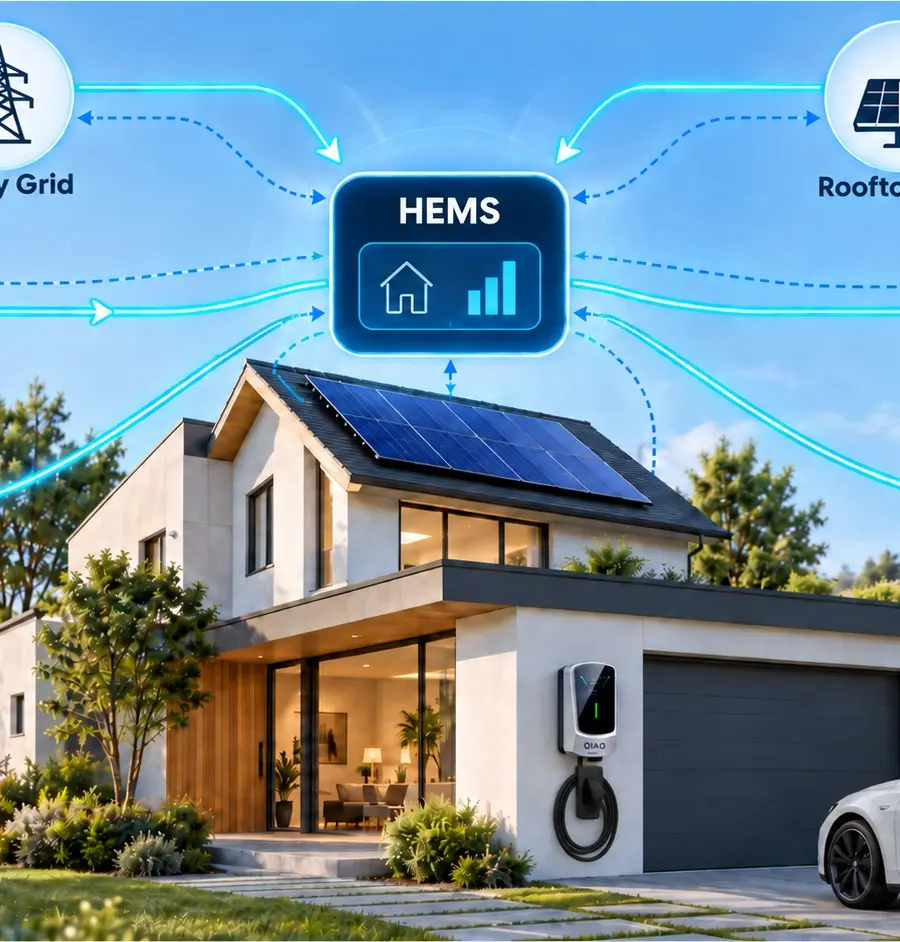
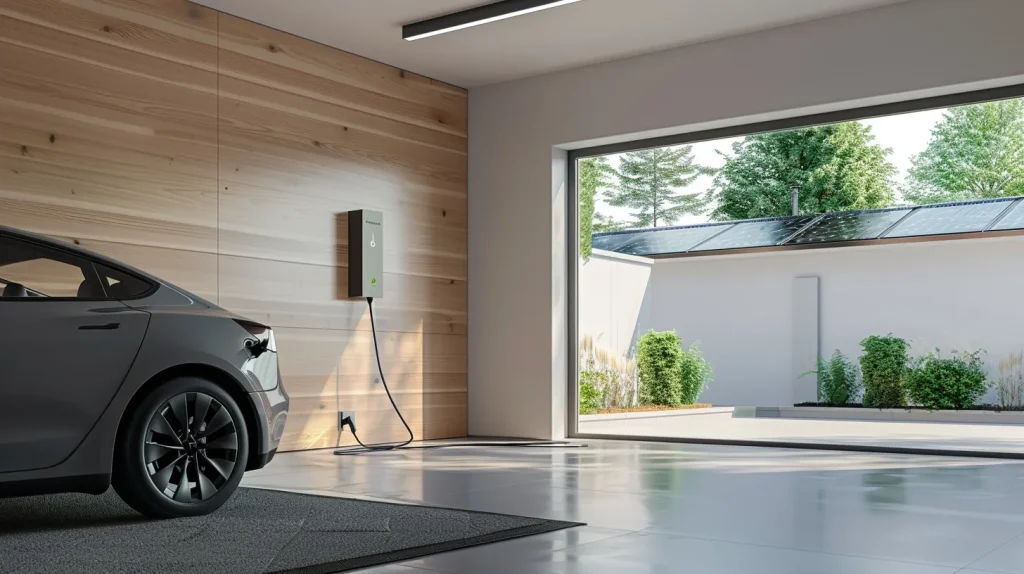
Another growing trend in Europe is integrating EV home charging with renewable energy sources, such as residential solar panels.
This allows households to charge vehicles using clean energy generated on-site.
Combining EV charging with rooftop solar systems helps reduce both electricity costs and carbon emissions.
Expansion of Smart Home Energy Systems
European households are increasingly adopting smart home energy management systems.
These systems can coordinate:
- EV charging
- home energy storage
- solar power generation
- electricity consumption
This type of integrated energy management helps balance household energy usage more efficiently.
Smart energy systems overview:
https://en.wikipedia.org/wiki/Home_energy_management_system
As smart homes become more common, AC home charging will become even more integrated into residential energy ecosystems.
Why AC Chargers Are Ideal for Home Charging
AC charging is widely used in residential environments because it offers several advantages.
Key benefits include:
- lower installation cost
- compatibility with residential electrical systems
- safer power levels for home environments
- overnight charging capability
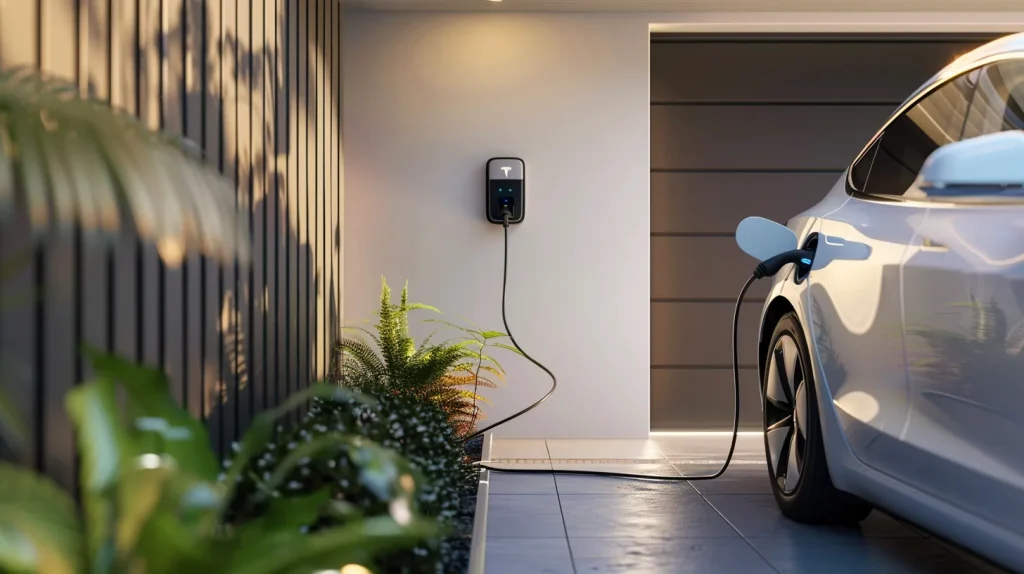
Most European households can install wall-mounted AC chargers in garages or parking spaces without requiring major electrical upgrades.
The Future of Residential EV Charging in Europe
The demand for home charging infrastructure will continue growing as EV adoption increases.
Industry forecasts suggest that most EV charging sessions occur at home, especially in regions where residential parking is available.
Expanding residential charging networks will remain essential to supporting Europe’s transition to electric mobility.
About QIAO
QIAO provides reliable AC EV charging solutions designed for residential and commercial applications worldwide.
Our charging systems support:
- wall-mounted AC chargers
- smart charging management
- OCPP connectivity
- scalable charging infrastructure
QIAO helps property developers, businesses, and homeowners deploy efficient and reliable EV charging solutions.
FAQ
Why is home EV charging popular in Europe?
Home charging offers convenience, lower electricity costs, and the ability to charge vehicles overnight.
What type of charger is used for home EV charging?
Most residential installations use wall-mounted AC chargers with power levels between 7 kW and 11 kW.
Do governments support home EV charger installation?
Many European countries provide subsidies or incentives for installing residential EV chargers.
Can EV charging be combined with solar power?
Yes. Many households integrate EV charging with rooftop solar systems to reduce electricity costs.