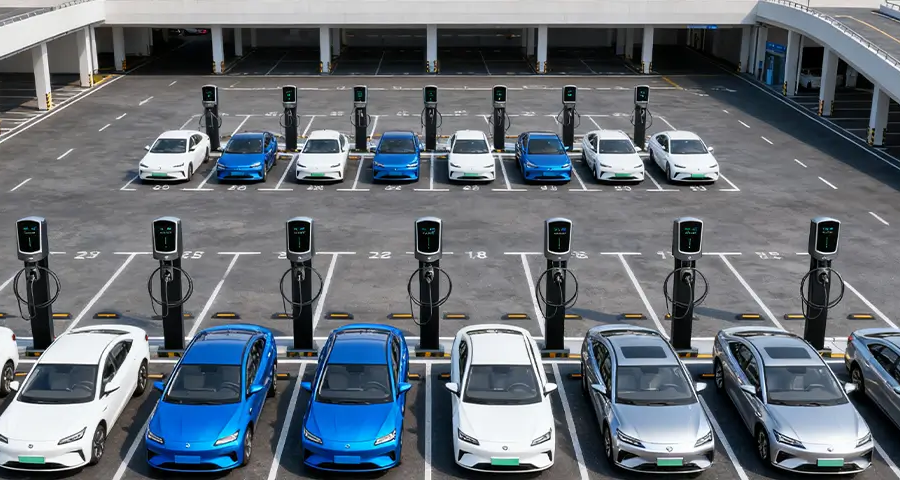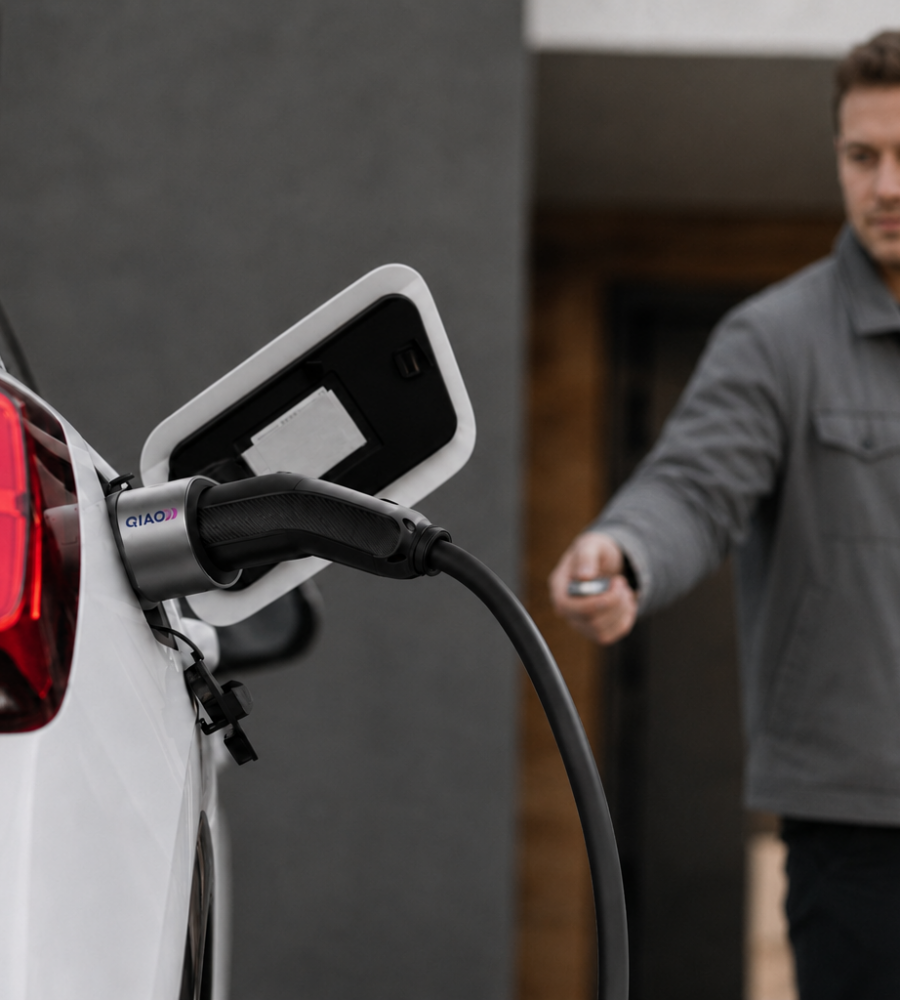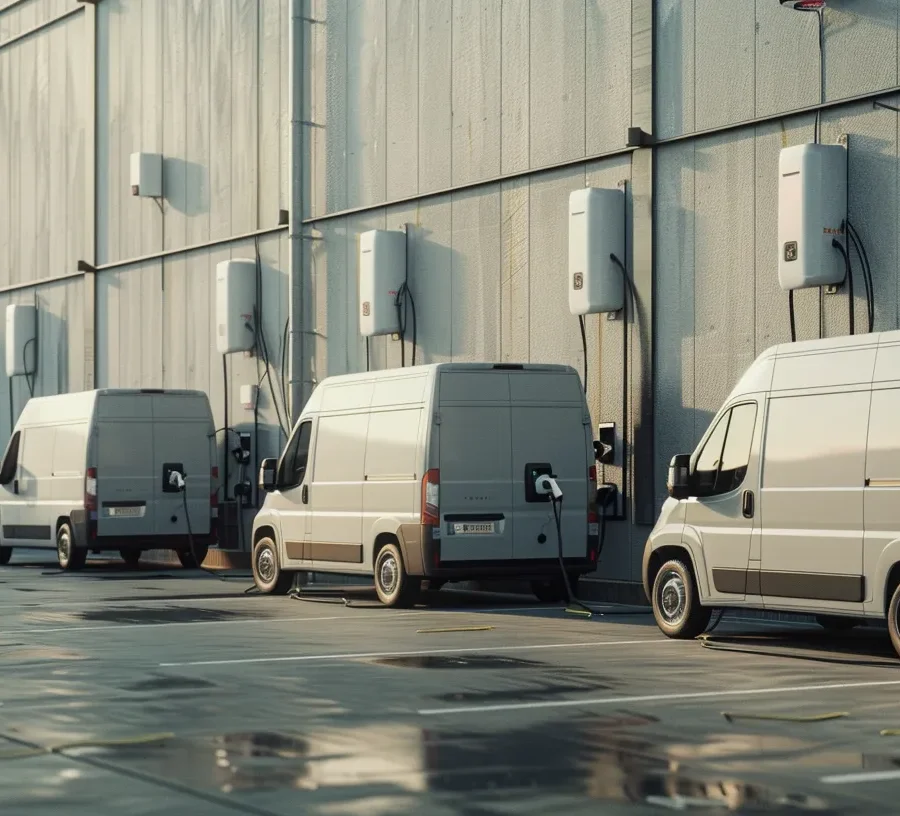

As electric vehicle fleets continue to expand across logistics, corporate transportation, and public services, energy management at fleet depots has become a critical operational challenge.
Without proper charging management, fleets may experience:
- high electricity costs
- peak demand charges
- grid capacity limitations
- inefficient charger utilization
By adopting AC smart charging systems, many fleet operators can reduce electricity consumption and charging costs by up to 30% through optimized charging schedules and intelligent power distribution.
This article explains how fleet depots can achieve significant energy savings using smart AC charging infrastructure.
Why Fleet Charging Needs Smart Energy Management
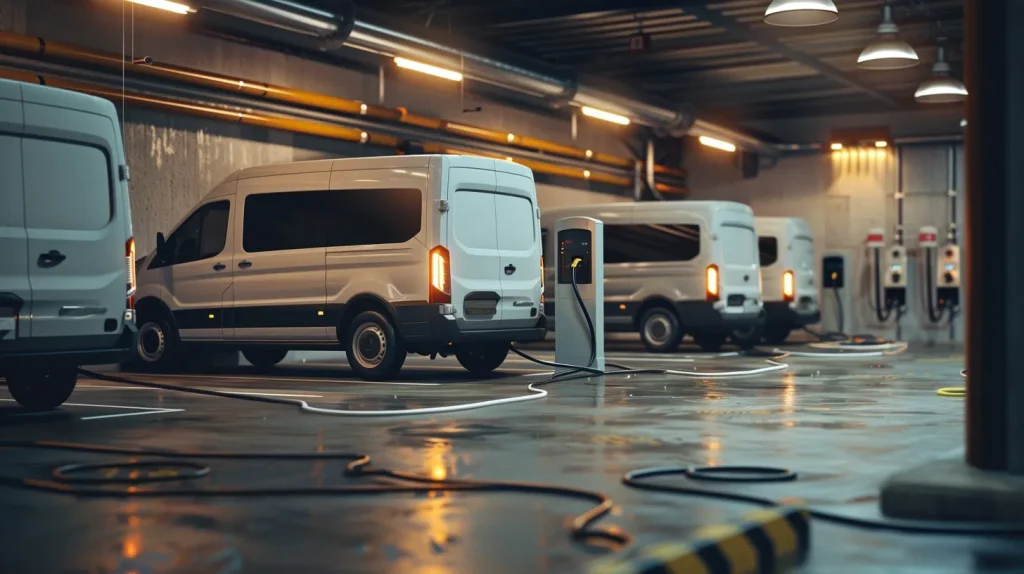
Fleet vehicles often return to a central depot and charge simultaneously. If unmanaged, this can cause large spikes in electricity demand, which increases both energy costs and infrastructure requirements.
Electricity pricing in many markets includes peak demand charges, meaning operators pay extra when power consumption reaches high levels.
Electricity demand overview:
https://en.wikipedia.org/wiki/Electricity_demand
By spreading charging sessions across time and adjusting charging power dynamically, smart charging systems help avoid these costly peaks.
What Is Smart Charging for Fleet Depots?
Smart charging refers to charging systems that communicate with software platforms to optimize when and how vehicles charge.
Smart charging overview:
https://en.wikipedia.org/wiki/Smart_charging
These systems typically include:
- centralized charging management software
- dynamic power allocation
- load balancing between chargers
- scheduled charging based on vehicle availability
Smart charging allows fleet operators to charge vehicles efficiently while minimizing electricity costs.
Using AC Chargers for Depot Charging
For many fleet applications, AC charging is more practical and cost-effective than DC fast charging.
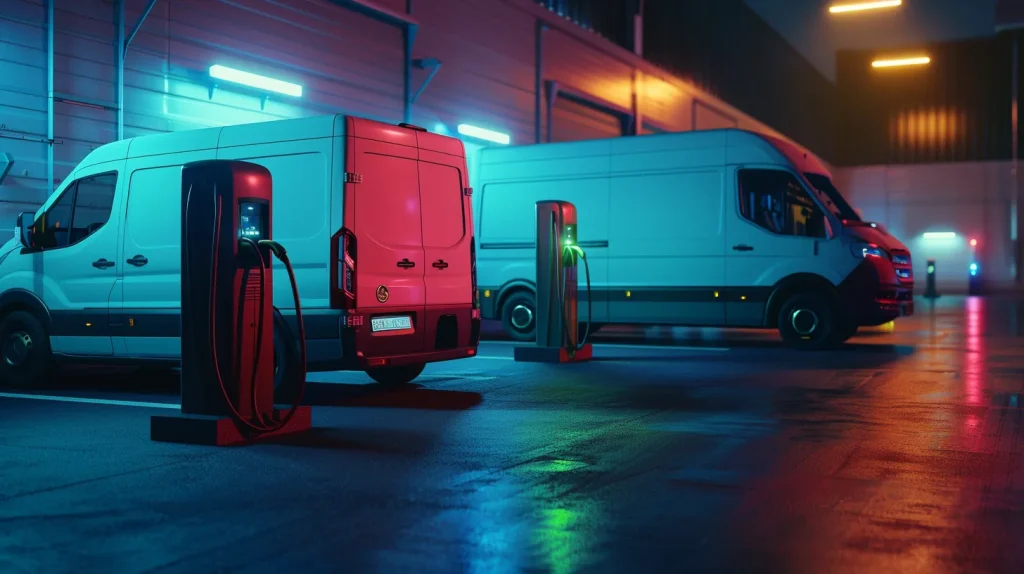
AC charging is particularly suitable for fleets where vehicles remain parked for extended periods, such as:
- delivery vans
- company vehicles
- service vehicles
- municipal fleets
Charging level explanation:
https://www.energy.gov/eere/electricvehicles/charging-electric-vehicles
Because vehicles remain parked overnight or between shifts, AC chargers can deliver sufficient energy without requiring expensive high-power infrastructure.
Smart Load Balancing Reduces Peak Power Demand
One of the key features of AC smart charging systems is load balancing.
Load balancing allows multiple chargers to share a limited electrical capacity by automatically distributing available power.
Load balancing overview:
https://en.wikipedia.org/wiki/Load_balancing_(computing)
Instead of all vehicles charging at maximum power simultaneously, the system dynamically adjusts charging speed based on:
- grid capacity
- number of connected vehicles
- charging priority
This prevents peak demand spikes and improves overall energy efficiency.
Optimizing Charging With Time-of-Use Electricity Pricing
Many utilities offer time-of-use (TOU) electricity pricing, where electricity costs vary depending on the time of day.
Time-of-use pricing overview:
https://en.wikipedia.org/wiki/Time-of-use_tariff
Smart charging software can automatically schedule charging during off-peak hours, when electricity prices are significantly lower.
For fleets that charge dozens or hundreds of vehicles daily, this strategy can reduce electricity expenses substantially.
How Fleet Depots Achieve Up to 30% Energy Savings
Fleet operators typically achieve energy savings through a combination of strategies:
Smart charging schedules
Charging is shifted to low-cost or off-peak hours.
Load balancing
Charging power is distributed efficiently across vehicles.
Power demand control
The system prevents sudden spikes in electricity consumption.
Data-driven charging optimization
Charging patterns are continuously analyzed and optimized.
According to research from the International Energy Agency, smart charging strategies can significantly reduce both electricity demand peaks and charging costs.
AI and energy system report:
https://www.iea.org/reports/artificial-intelligence-and-energy
Additional Benefits of Smart Depot Charging
Beyond energy savings, AC smart charging offers several operational advantages.
Lower infrastructure costs
AC chargers are typically cheaper than DC fast chargers.
Scalable fleet charging
Additional chargers can be added without major grid upgrades.
Grid-friendly charging
Smart systems help prevent overloads on local power networks.
Future integration with renewable energy
Depot charging can later integrate with solar energy or battery storage systems.
Renewable energy overview:
https://en.wikipedia.org/wiki/Renewable_energy
The Future of Fleet Charging Infrastructure
As more fleets transition to electric vehicles, smart energy management will become essential for efficient operations.
Fleet depots that deploy smart charging infrastructure today will be better positioned to:
- reduce operating costs
- scale EV adoption
- integrate renewable energy
- support grid stability
AC smart charging provides a cost-effective and scalable solution for fleet electrification.
About QIAO
QIAO specializes in providing reliable AC EV charging solutions for commercial and fleet applications worldwide.
Our charging systems support:
- smart load management
- OCPP-compatible connectivity
- scalable fleet charging infrastructure
- intelligent charging optimization
QIAO helps fleet operators and businesses deploy efficient and future-ready EV charging networks.
FAQ
Fleet vehicles usually remain parked for long periods, allowing AC chargers to deliver sufficient energy overnight.
Smart charging allows charging stations to communicate with software systems to optimize charging schedules and power usage.
Yes. By shifting charging to off-peak hours and managing power demand, operators can significantly reduce energy costs.
Not always. Many fleets can rely primarily on AC charging if vehicles charge overnight or between shifts.