Table of Contents
Home EV Charging Guide | Wall-Mounted EV Travel Charger Solutions
As more EV owners seek convenience and reliability, wall-mounted home chargers have become a core component of modern EV life. While public stations support long-distance driving, a stable home charging setup ensures daily readiness and reduces charging costs dramatically. Integrating a high-quality home charger is also a critical part of broader EV Travel Charger Solutions, giving EV drivers peace of mind whether they travel locally or across long routes.
This guide provides a comprehensive explanation of home wall-mounted charging systems, covering installation considerations, power configurations, safety standards, and the role of optimized EV charging solutions. QIAO’s wall-mounted chargers are designed to support consistent performance, durability, and long-term energy savings.
Why Home Wall-Mounted Charging Matters
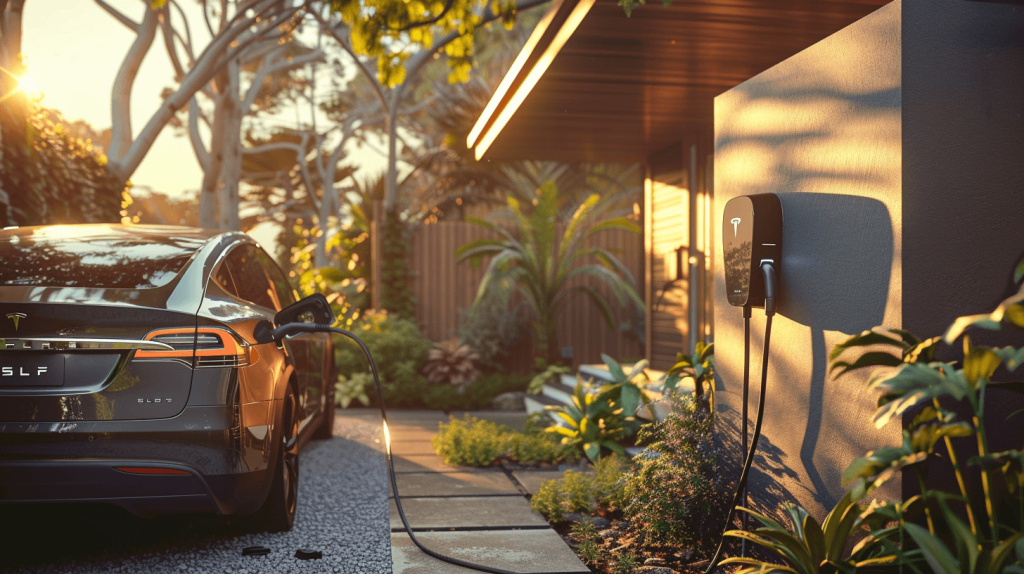
Home charging is the most stable and predictable way to keep an EV ready at all times. Its benefits go beyond convenience:
1. Full overnight charging without waiting
Charging at home eliminates queues, station outages, and time wasted on daily commutes.
2. Lowest-cost charging option
Most EV owners charge during off-peak hours, greatly reducing energy expenses.
3. More stable electricity supply
Home circuits provide cleaner and more consistent power than many public chargers.
4. Foundation for long trips
A fully charged battery each morning ensures confidence for weekend travel or unexpected long-distance needs.
Types of Home Wall-Mounted Chargers
1. Level 1 Home Charging (110–120V)
Slow but universally compatible
Suitable for plug-in hybrids or low daily mileage
Limited charging speed; not ideal for all EV travel needs
2. Level 2 Home Charging (208–240V) – The Preferred Option
Level 2 is the industry standard for wall-mounted home chargers.
Why it matters:
Charges 4–7 times faster than Level 1
Ideal for both daily use and long-trip preparation
Supports smart load management and app monitoring
Best for:
Single-family homes
Apartments with dedicated parking
EV owners who frequently travel
Key Features of a High-Quality Wall-Mounted Charger
When selecting a home charger as part of your EV Travel Charger Solutions, consider the following:
1. Power Output
- Typical range: 7kW / 11kW / 22kW
- Choose based on home circuit capacity
2. Safety Protections
A must-have list includes:
- Over-voltage protection
- Over-current protection
- Ground fault protection
- Over-temperature shutdown
- Surge protection
3. Weather Resistance
Outdoor installation requires:
- IP65–IP67 waterproof rating
- UV-resistant casing
- Temperature-resistant materials
4. Cable Length
Recommended:
- 5m for standard garages
- 7–10m for outdoor parking or longer driveways
5. Smart Features
- Mobile app control
- Scheduled charging
- Energy usage monitoring
- Smart load balancing
Installation Considerations
Proper installation ensures long-term stability and safety. Below are the essentials every homeowner should review.
1. Electrical Panel Compatibility
Your home electrical service must support the charger’s power draw.
Key checks include:
- Circuit breaker capacity
- Wiring gauge
- Remaining load allowance
Professional electricians are recommended.
2. Indoor vs. Outdoor Installation
Indoor installation advantages
- Maximum protection from moisture
- Cleaner environment for cable storage
Outdoor installation advantages
- Convenience for driveway or parking spaces
- Ideal for homes without garages
A weatherproof unit is required for outdoor use.
3. Mounting Height and Accessibility
Best practice recommends:
- 1.2–1.4 meters above the ground
- Cable hook or integrated organizer
- Avoiding direct rain spray or low-lying puddles
4. Ventilation and Temperature Control
High temperatures can slow charging efficiency.
Shaded installation areas improve performance and longevity.
How Home Charging Enhances EV Long-Distance Travel
Even though home charging is routine, it forms the backbone of EV Travel Charger Solutions:
1. Start every trip with a full charge
Reduces reliance on public stations during early phases of the journey.
2. Minimizes battery stress
Slow overnight AC charging is healthier for EV batteries than repeat rapid DC fast charging.
3. Enables flexible planning
Drivers can charge to 90–100% before road trips, depending on vehicle type.
4. Supports predictable charging habits
Consistent home charging reduces long-term battery degradation.
QIAO’s Wall-Mounted Home Charging Advantages
QIAO’s home charging products are engineered for long-term stability and user safety. Key differentiators:
High-durability build
Weather-resistant housing and industrial-grade components.
Smart charging ecosystem
App monitoring, scheduling, and energy optimization.
Multiple power options
7kW / 11kW / 22kW to suit home electrical environments.
Enhanced protective systems
Comprehensive protection for both charger and vehicle.
Reliable performance for EV travel
Whether preparing for daily commuting or long journeys, QIAO enhances your total EV charging experience.
Conclusion
Wall-mounted home chargers are the backbone of a reliable EV lifestyle. As a critical part of broader EV Travel Charger Solutions, a well-installed and properly configured home charger ensures cost savings, maximum convenience, and optimal battery health.
Whether you’re preparing for daily use or long-distance travel, integrating safe, durable, and smart EV charging solutions is essential. QIAO continues to provide high-quality home charging products that support stability, safety, and long-term performance for every EV owner.