Table of Contents
How EV Chargers Protect the Power Grid with Load Balancing
Load Balancing and Dynamic Load Management Explained
As EV adoption accelerates, one critical question emerges for utilities, site owners, and commercial operators:
How can large-scale EV charging grow without overloading the power grid?
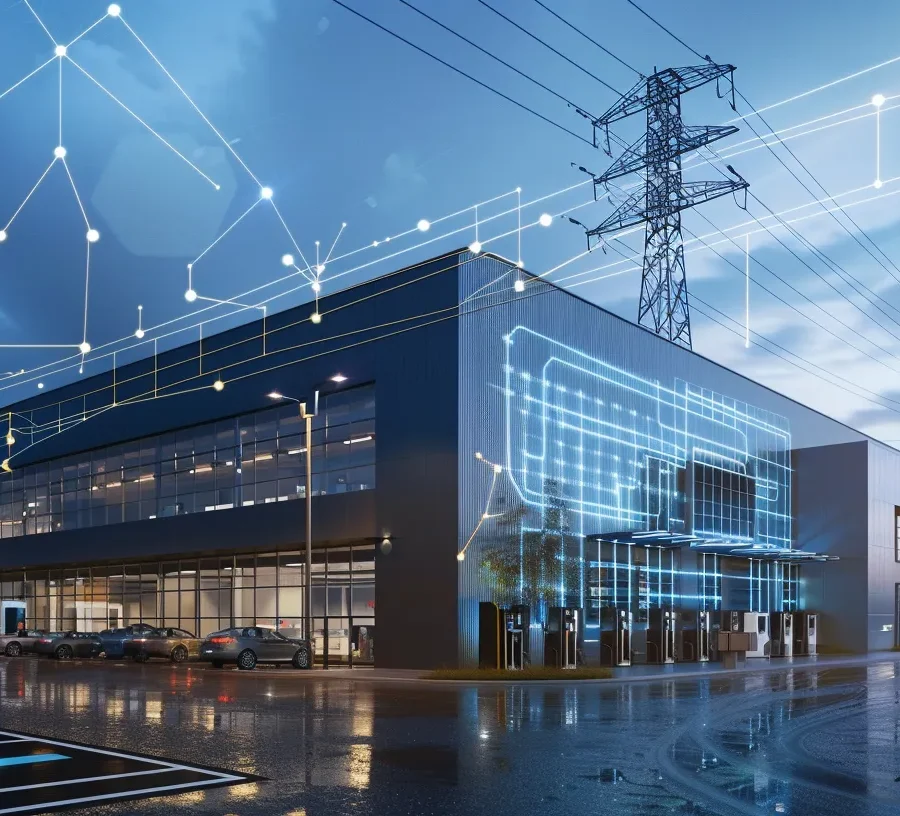
The answer lies not only in grid upgrades, but increasingly in smart AC EV chargers equipped with Load Balancing and Dynamic Load Management (DLM). These technologies enable EV charging infrastructure to scale efficiently while maintaining grid stability and controlling energy costs.
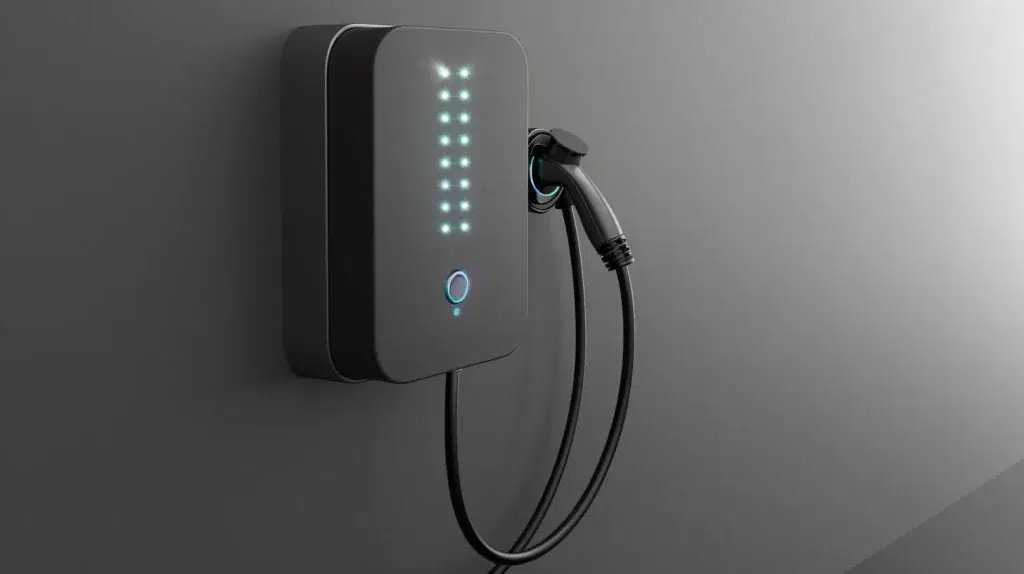
Why Unmanaged EV Charging Threatens the Grid
Traditional power grids were not designed for:
- Multiple EVs charging simultaneously
- High coincidence charging during peak hours
- Concentrated loads in residential buildings, offices, or depots
Without control, EV chargers can cause:
- Main breaker trips
- Voltage drops
- Transformer overload
- Expensive grid reinforcement requirements
This is especially relevant for AC charging, where multiple chargers are often deployed in parallel.
What Is Load Balancing in EV Charging?
Load balancing refers to distributing available electrical capacity intelligently among multiple EV chargers.
Instead of each charger operating at maximum power:
- Total site capacity is predefined
- Charging power is dynamically shared
- Each vehicle receives an optimized charging rate
This allows more EVs to charge simultaneously without exceeding the site’s electrical limits.
Static Load Balancing vs Dynamic Load Management (DLM)
Static Load Balancing
- Fixed maximum power allocation
- Simple and cost-effective
- Suitable for small installations
Limitation: does not react to real-time building loads.
Dynamic Load Management (DLM)
DLM continuously monitors real-time energy consumption of the entire site.
It adjusts EV charging power based on:
- Building load (HVAC, lighting, machinery)
- Time of day
- Grid or utility constraints
Result: EV charging automatically scales up or down to protect the grid and avoid overload.
How DLM Protects the Grid in Practice
Dynamic load management provides multiple grid-level benefits:
- Peak shaving: reduces charging power during peak demand
- Overload prevention: avoids tripping breakers or transformers
- Higher charger density: more chargers installed without grid upgrades
- Grid-friendly charging behavior
From a utility perspective, DLM turns EV chargers from a risk into a controllable load.
AC Chargers Are Ideal for Smart Load Control
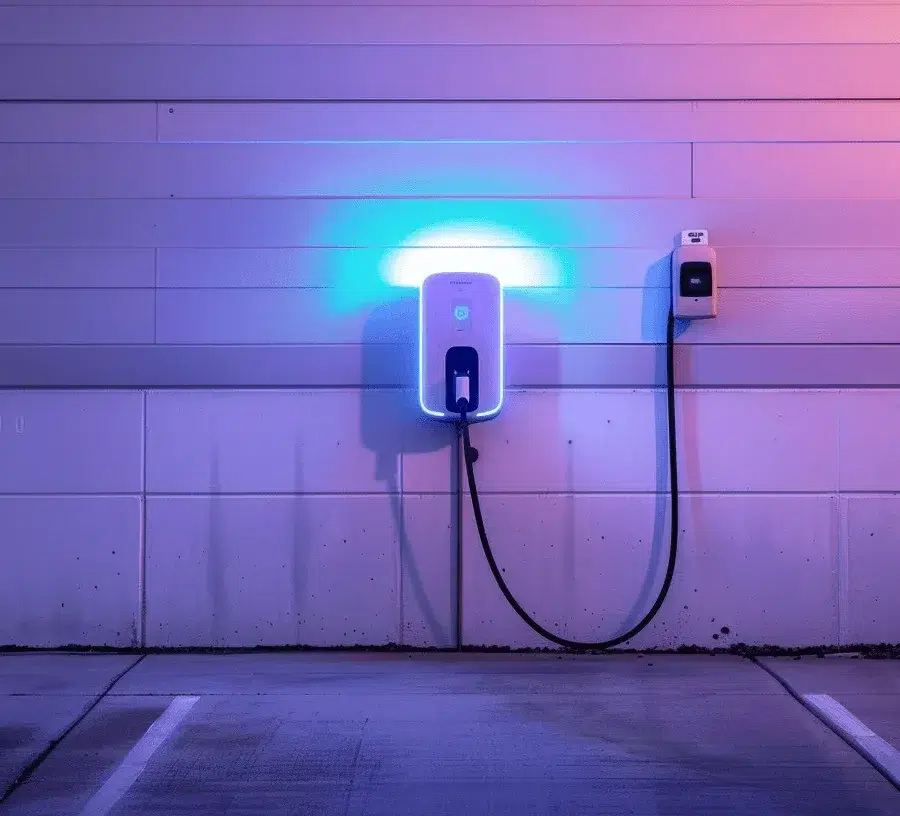
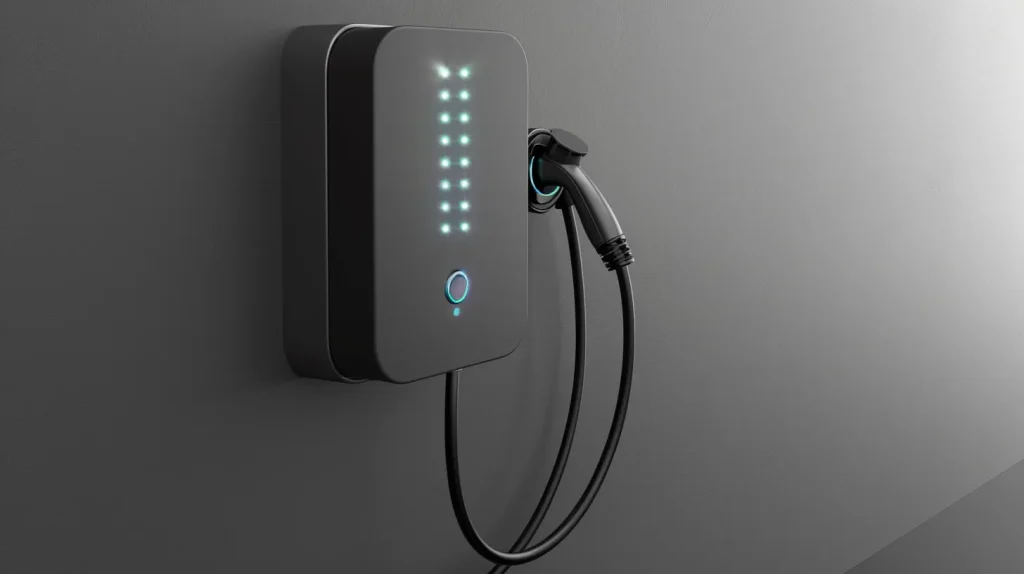
AC EV chargers are particularly well-suited for load balancing because:
- Charging durations are longer
- Power levels are flexible (3.7–22 kW)
- Software control is easier and more granular
In multi-point deployments—such as residential buildings, workplaces, retail parking, and fleet depots—AC chargers with DLM deliver the highest cost-to-performance ratio.
Commercial Benefits for Site Owners and Operators
Beyond grid protection, DLM creates clear economic value:
- Avoids costly grid capacity upgrades
- Reduces demand charges
- Enables phased infrastructure expansion
- Improves asset utilization
For B2B operators, DLM is not just a technical feature—it is a business enabler.
Integration with Energy Management Systems
Advanced EV chargers can integrate DLM with:
- Building Energy Management Systems (BEMS)
- Solar PV generation
- Battery storage systems
This enables:
- Self-consumption optimization
- Renewable-aware charging
- Future-ready energy ecosystems
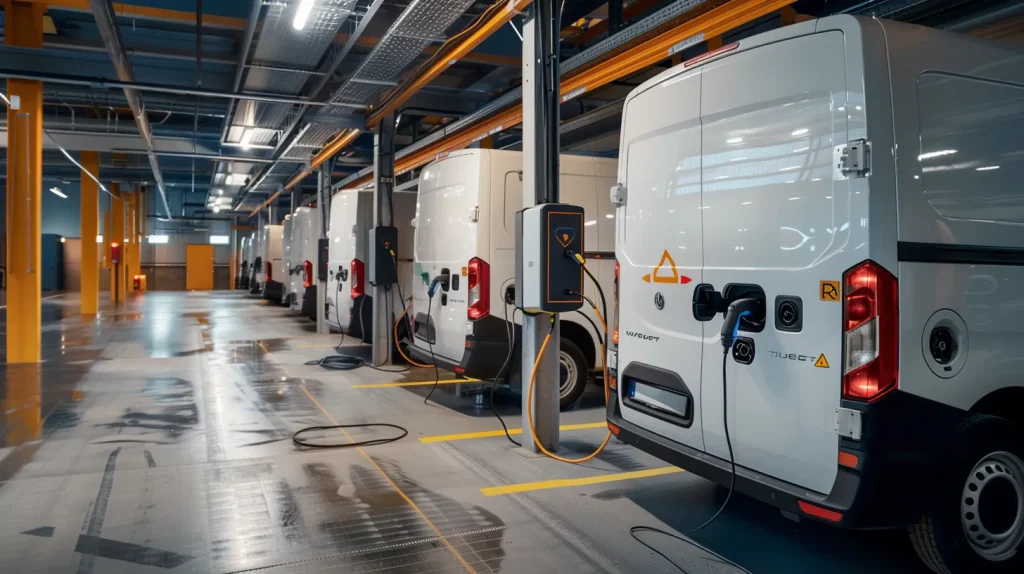
The Role of the EV Charger Manufacturer
Effective load management depends heavily on charger design:
- Accurate power measurement
- Fast communication response
- Stable firmware and protocols (e.g. OCPP)
- Hardware-level safety protections
Manufacturers like QIAO, focused on B2B AC EV charging solutions, design chargers specifically for load-balanced, grid-friendly deployments—supporting scalable infrastructure without compromising safety or reliability.
Conclusion
EV chargers do not have to be a burden on the power grid.
With Load Balancing and Dynamic Load Management, AC EV charging becomes:
- Predictable
- Scalable
- Grid-friendly
- Economically efficient
As EV infrastructure expands globally, smart load-controlled charging will be a foundational requirement—not an optional feature.