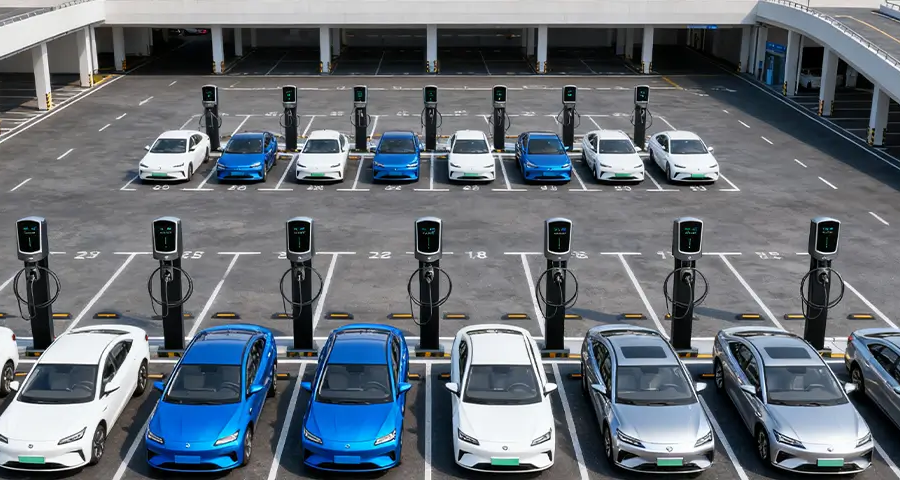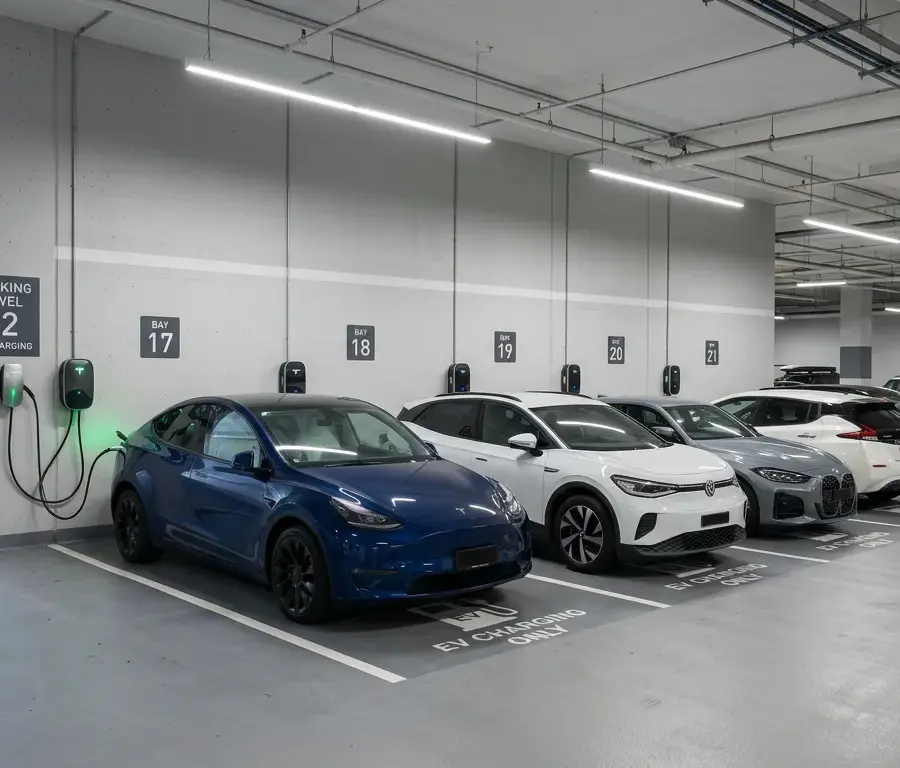

Most EV charging investments today are concentrated in:
- Major metropolitan areas
- High-density urban markets
But a growing question is emerging:
Are Tier-2 and Tier-3 cities becoming the next EV charging opportunity?
For many investors and businesses, smaller cities appear risky because of:
- Lower EV ownership
- Slower infrastructure growth
- Uncertain utilization rates
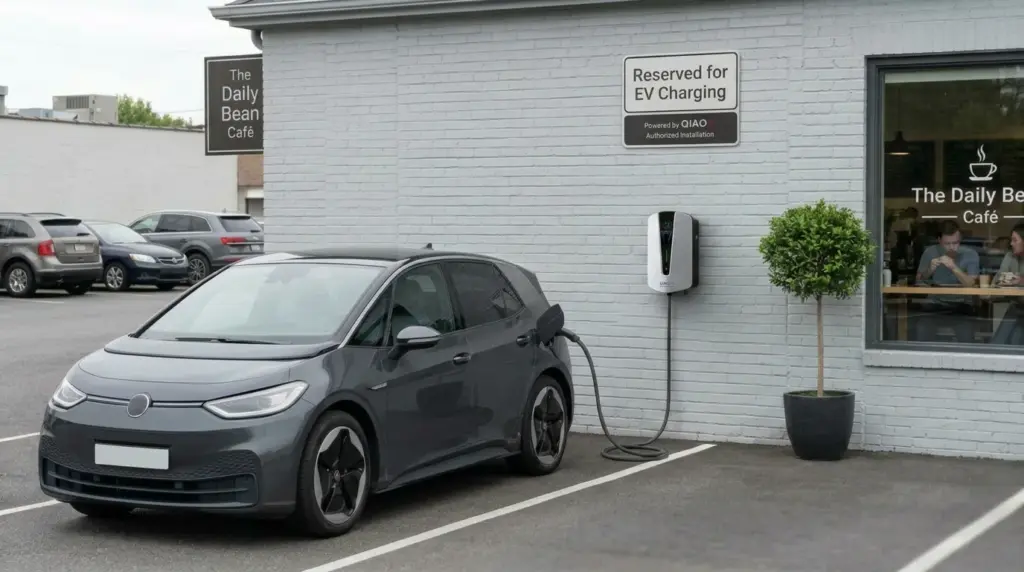
However, the reality is changing quickly.
In many regions, smaller cities may actually offer:
Lower competition, lower deployment costs, and long-term growth potential
Why This Topic Matters
The EV charging industry is entering a new phase.
In major cities:
- Competition is increasing
- Land and electricity costs are rising
- Market saturation is beginning in some locations
Meanwhile:
- EV adoption is expanding beyond large urban centers
Source:
https://www.iea.org/reports/global-ev-outlook-2024
What Are Tier-2 and Tier-3 Cities?
Definitions vary by country, but generally:
| City Type | Characteristics |
| Tier-1 | Major global/metropolitan cities |
| Tier-2 | Mid-sized regional economic centers |
| Tier-3 | Smaller developing urban areas |
These cities often have:
- Lower infrastructure density
- Growing middle-class populations
- Expanding EV ownership
Why Investors Traditionally Avoid Smaller Cities
1. Lower EV Penetration
Smaller cities usually have:
- Fewer EV users today
Result:
- Lower short-term charger utilization
2. Slower ROI
Compared with major cities:
- Charging demand grows more gradually
3. Infrastructure Limitations
Some areas face:
- Limited grid capacity
- Less mature electrical infrastructure
4. Uncertain User Behavior
Investors often worry:
“Will enough EV drivers actually use the chargers?”
Why the Opportunity Is Growing
Despite these concerns, several trends are changing the market.
1. EV Adoption Is Expanding Geographically
EV growth is no longer limited to major cities.
According to the International Energy Agency:
- EV adoption continues expanding into broader regional markets.
Source:
https://www.iea.org/reports/global-ev-outlook-2024
2. Lower Competition
In many Tier-2 and Tier-3 cities:
- Public charging infrastructure remains limited
Early entrants can secure:
- Better locations
- Stronger local partnerships
- Brand recognition
3. Lower Deployment Costs
Compared with large cities:
| Cost Factor | Tier-1 | Tier-2/3 |
| Rent | High | Lower |
| Labor | High | Lower |
| Installation | High | Lower |
This improves long-term economics.
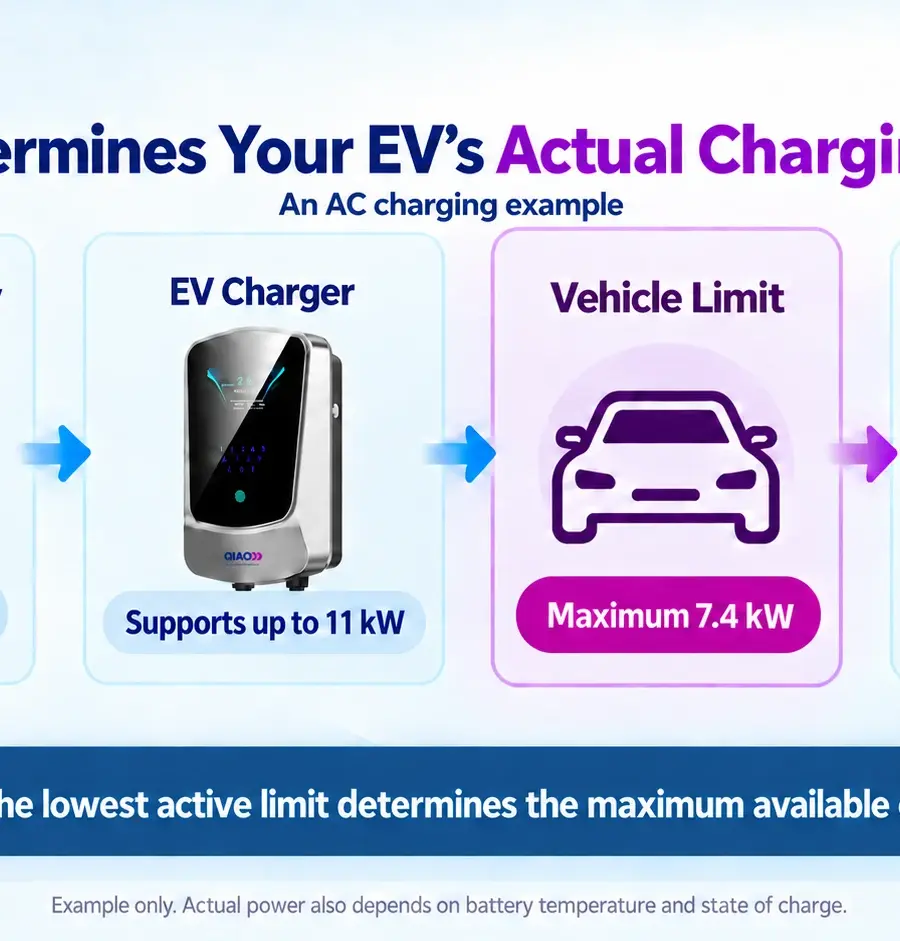
4. AC Charging Fits Smaller Markets Well
Tier-2 and Tier-3 cities often benefit more from:
- Lower-cost AC charging infrastructure
Why?
Because users in these areas:
- Drive shorter daily distances
- Park longer
- Are more cost-sensitive
AC charging becomes highly practical.
AC vs DC in Smaller Cities
| Factor | AC Charging | DC Charging |
| Installation cost | Lower | Higher |
| Grid requirement | Lower | Higher |
| ROI risk | Lower | Higher |
| Ideal for | Long parking | Highway fast charging |
Insight:
AC charging is usually the safer investment model for smaller cities.
Best Investment Scenarios
1. Residential Communities
- Overnight charging demand
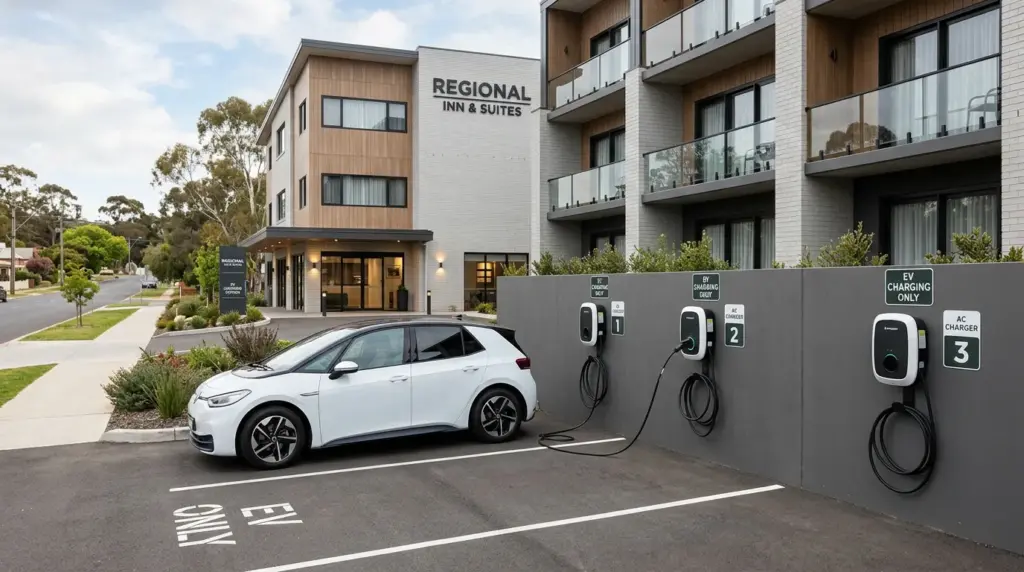
2. Hotels
- Travelers increasingly expect EV charging
3. Commercial Parking Areas
- Offices
- Shopping centers
4. Fleet & Taxi Charging
Local fleet electrification is increasing.
The Biggest Risk: Utilization
The main challenge is still:
Low charger utilization
A charger with very low daily usage may struggle to achieve profitability.
How to Improve ROI in Smaller Cities
1. Start Small
Avoid overbuilding infrastructure.
Example:
- Begin with a few AC chargers
- Expand gradually
2. Choose Strategic Locations
Best locations include:
- High parking duration areas
- Mixed-use properties
- Hotels and apartments
3. Focus on Partnerships
Partner with:
- Property owners
- Local businesses
- Fleet operators
4. Use Smart Energy Management
Load balancing and smart scheduling reduce operational costs.
Real-World Trend: Decentralized Charging Growth
The industry is moving toward:
Distributed charging infrastructure
Instead of only large charging hubs, future growth includes:
- Smaller local charging networks
- Community charging
- Destination charging
This trend benefits smaller cities.
Why Timing Matters
Entering too early:
- May create low utilization risk
Entering too late:
- Competition increases
The best strategy is often:
“Early but controlled deployment”
Why This Matters for B2B Buyers
1. Lower Entry Barriers
Smaller cities usually require:
- Lower investment
- Smaller operational teams
2. Long-Term Growth Potential
EV adoption in regional markets is still early-stage.
3. Better Scalability with AC Charging
AC infrastructure offers:
- Lower CapEx
- Easier scaling
- Lower operational complexity
Where QIAO Fits In
At QIAO, we provide:
- Scalable AC EV charging solutions for regional market deployment
Our solutions help businesses:
- Reduce deployment costs
- Scale gradually
- Build sustainable charging infrastructure
Designed for:
- Commercial properties
- Hotels
- Residential projects
- Fleet charging applications
Supporting practical EV charging growth beyond major cities.
Key Takeaways
- EV charging investment in smaller cities can be viable
- AC charging is often the most suitable approach
- Lower competition creates long-term opportunity
- Success depends on smart deployment and utilization strategy
The next EV charging growth wave may come from regional markets—not only major cities
FAQ
1. Is EV charging profitable in smaller cities?
It can be, especially with low-cost AC charging deployment.
2. What is the biggest risk?
Low charger utilization.
3. Why is AC charging better for smaller cities?
Because it requires lower investment and simpler infrastructure.
4. Which locations work best?
Hotels, apartments, parking areas, and fleet depots.
5. Should investors enter now or wait?
Gradual early deployment is often the best strategy.