
Urban mobility is undergoing a rapid transformation.
Electric vehicles are no longer a niche—they are becoming the default choice in cities.
As EV adoption rises in urban areas, demand for charging infrastructure is shifting—not just growing.
While fast charging often gets the spotlight, a deeper trend is emerging:
AC charging is becoming the backbone of urban EV ecosystems
Urban EV Growth: The Driving Force
Cities are leading EV adoption due to:
- Government policies
- Emission regulations
- High population density
According to the International Energy Agency:
- Urban areas account for a large share of EV adoption
- EV stock is growing rapidly year-over-year
Source:
- IEA Global EV Outlook: https://www.iea.org/reports/global-ev-outlook-2024
Insight:
More urban EVs = more distributed charging demand
Why Cities Favor AC Charging
1. Parking-Based Charging Behavior
Urban users:
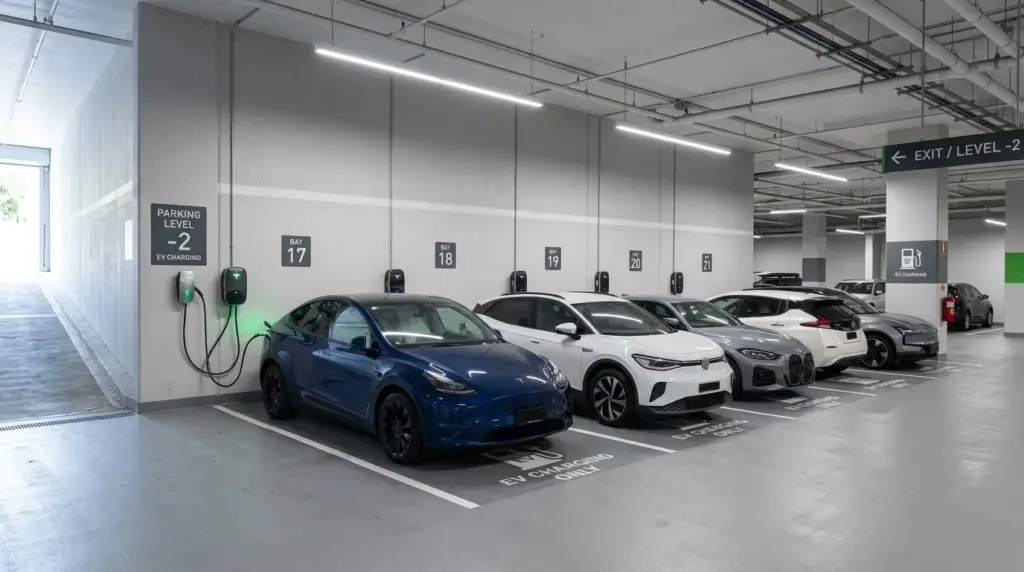
- Park for long durations
- Charge while working or living
Perfect match for AC charging
2. Limited Grid Capacity
Cities often face:
- Grid constraints
- High peak demand
AC charging helps:
- Reduce load pressure
- Enable scalable deployment
3. Cost Sensitivity
Urban charging must be:
- Affordable
- Widely accessible
AC charging offers lower CAPEX and OPEX
Key Urban Scenarios for AC Charging
1. Residential Buildings
- Apartments
- Condominiums
Overnight charging demand
2. Workplace Charging
- Office parking
- Employee charging
Daytime charging opportunity
3. Commercial Locations
- Shopping malls
- Hotels
- Restaurants
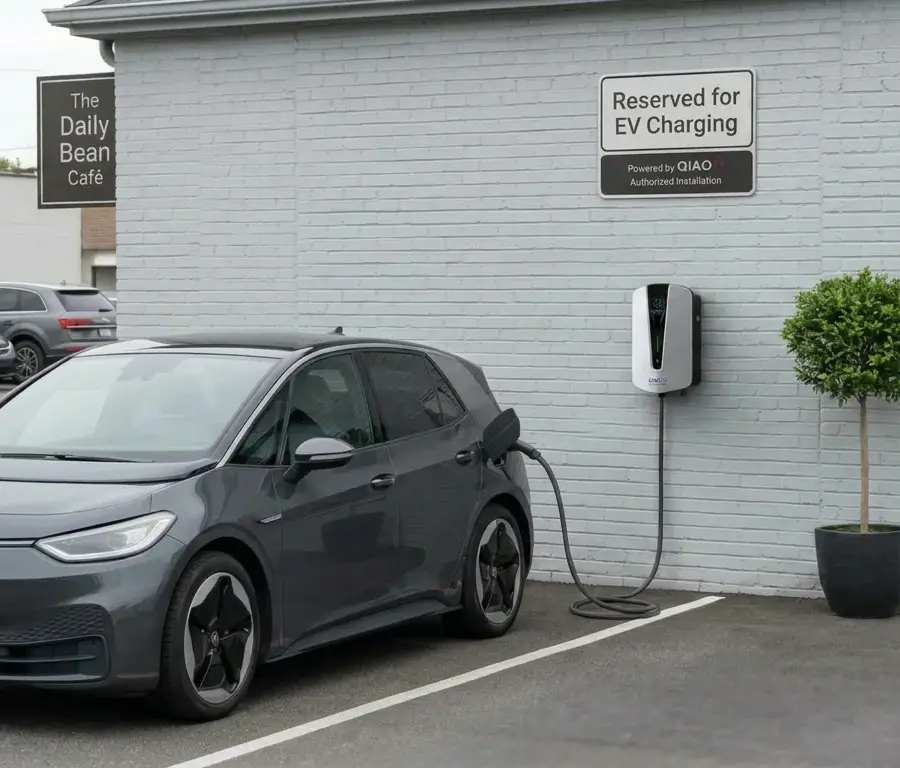
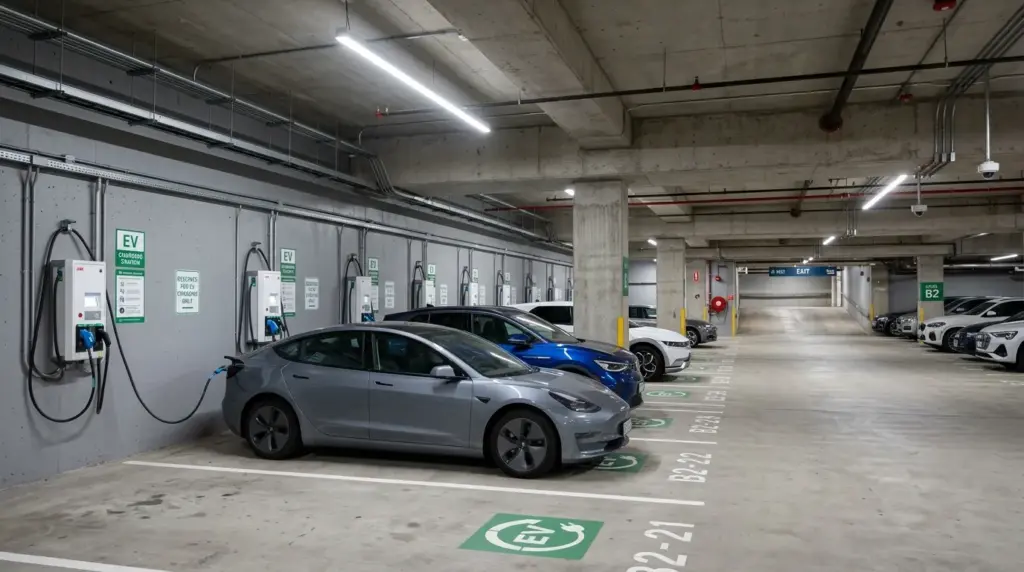
Long dwell time = AC charging advantage
4. Public Parking Infrastructure
- Street parking
- Parking garages
High scalability potential
AC vs DC in Urban Environments
| Factor | AC Charging | DC Charging |
| Installation cost | Low | High |
| Space efficiency | High | Medium |
| Grid impact | Low | High |
| Best use case | Long stay | Quick top-up |
Insight:
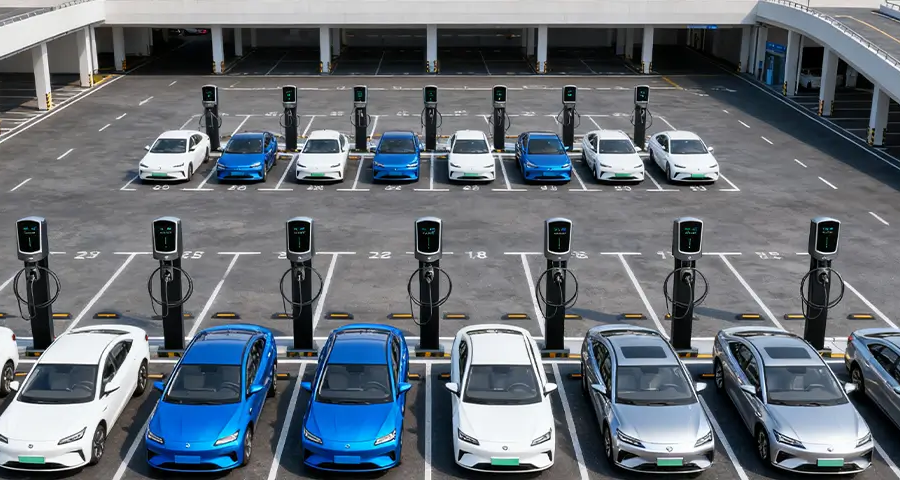
Cities need many AC chargers, not just a few DC stations
Market Opportunity Breakdown
1. Property Owners
- Monetize parking spaces
- Offer charging as a service
2. Charging Operators (CPOs)
- Build distributed AC networks
- Increase utilization rates
3. Fleet Operators
- Deploy depot-based AC charging
- Reduce operational costs
4. Governments & Utilities
- Expand public infrastructure
- Support electrification goals
Data-Driven Opportunity
According to the BloombergNEF:
- Urban EV adoption is expected to accelerate significantly
- Charging demand will grow in parallel
Source:
- BloombergNEF EV Outlook: https://about.bnef.com/electric-vehicle-outlook/
The Shift: From Centralized to Distributed Charging
Old Model
- Few large DC charging hubs
New Model
- Thousands of distributed AC chargers
Closer to users, more scalable
Infrastructure Strategy for Urban Deployment
1. Focus on Density
- More chargers in more locations
2. Optimize Placement
- Near parking areas
- Near high dwell-time zones
3. Use Smart Charging
- Load management
- Energy optimization
4. Plan for Scalability
- Modular installation
- Future expansion
Role of Smart AC Charging
Future urban charging will rely on:
- Load balancing
- Dynamic pricing
- AI scheduling
According to the National Renewable Energy Laboratory:
- Smart charging can significantly improve grid efficiency
Source:
- NREL Smart Charging: https://www.nrel.gov/transportation/ev-smart-charging.html
Why This Matters for B2B Buyers
1. Massive Deployment Opportunity
Urban charging requires:
- High volume installations
2. Lower Investment Risk
- AC charging is cost-effective
- Faster ROI
3. Long-Term Growth
- Urban EV demand will continue rising
Where QIAO Fits In
At QIAO, we provide:
- AC EV charging solutions designed for urban deployment
- Ideal for:
- Residential projects
- Commercial properties
- Public infrastructure
Our solutions help clients:
- Deploy scalable charging networks
- Optimize energy usage
- Reduce costs
Enabling cities to build efficient and future-ready charging infrastructure
Future Outlook
- Urban EV adoption will continue accelerating
- AC charging will dominate daily charging needs
- Smart systems will optimize infrastructure
The future of urban EV charging is distributed, scalable, and AC-driven
FAQ
1. Why is AC charging important in cities?
Because most vehicles are parked for long periods.
2. Is DC charging enough for urban EVs?
No, cities need a large number of AC chargers.
3. Where should AC chargers be installed?
Residential, workplace, and public parking areas.
4. Is AC charging profitable in cities?
Yes, due to lower costs and high demand.
5. What is the future of urban EV charging?
Distributed networks with smart AC charging.