
One of the most effective ways to reduce EV charging costs is not by changing hardware—but by changing when you charge.
Charging at night vs during the day can significantly impact electricity costs.
For businesses deploying AC EV charging solutions, understanding this difference is essential for:
- Cost optimization
- Energy management
- Profitability
Why Charging Time Affects Cost
Electricity pricing often follows Time-of-Use (TOU) models.
This means:
- Prices vary based on demand
- Peak hours = higher cost
- Off-peak hours = lower cost
Suggested external links:
- “Time-of-Use electricity pricing” → energy.gov
- “electricity demand curves” → IEA
Day vs Night Charging: Key Differences
| Factor | Day Charging | Night Charging |
| Electricity price | High (peak) | Low (off-peak) |
| Grid demand | High | Low |
| Cost per kWh | Higher | Lower |
| Availability | Limited in busy areas | More available |
| Efficiency | Similar | Similar |
Insight:
The main difference is cost—not performance
Typical Cost Comparison
Example Scenario
| Time | Price per kWh | Cost for 50 kWh |
| Day (peak) | $0.25 | $12.50 |
| Night (off-peak) | $0.10 | $5.00 |
Result:
Night charging can reduce costs by 50–70%
Why Night Charging Is Cheaper
1. Lower Grid Demand
At night:
- Fewer users consume electricity
- Utilities reduce prices
2. Better Energy Distribution
- More stable grid conditions
- Less congestion
3. Renewable Energy Utilization
In some regions:
- Excess renewable energy is available at night
Business Impact for B2B Users
1. Fleet Operators
- Schedule charging overnight
- Reduce operational costs
2. Commercial Properties
- Encourage off-peak charging
- Lower electricity expenses
3. Charging Service Providers
- Offer dynamic pricing
- Improve profitability
When Day Charging Is Still Necessary
1. High Turnover Locations
- Retail
- Public charging stations
2. Emergency Charging Needs
- Immediate energy requirements
3. Limited Night Access
- Some facilities may not operate overnight
How to Optimize Charging Costs
1. Implement Smart Scheduling
- Automatically shift charging to off-peak hours
2. Use Load Management Systems
- Balance energy consumption
- Avoid peak demand
3. Apply Dynamic Pricing Models
- Incentivize users to charge at night
4. Monitor Energy Usage
- Track cost patterns
- Optimize over time
AC Charging Advantage in Cost Optimization
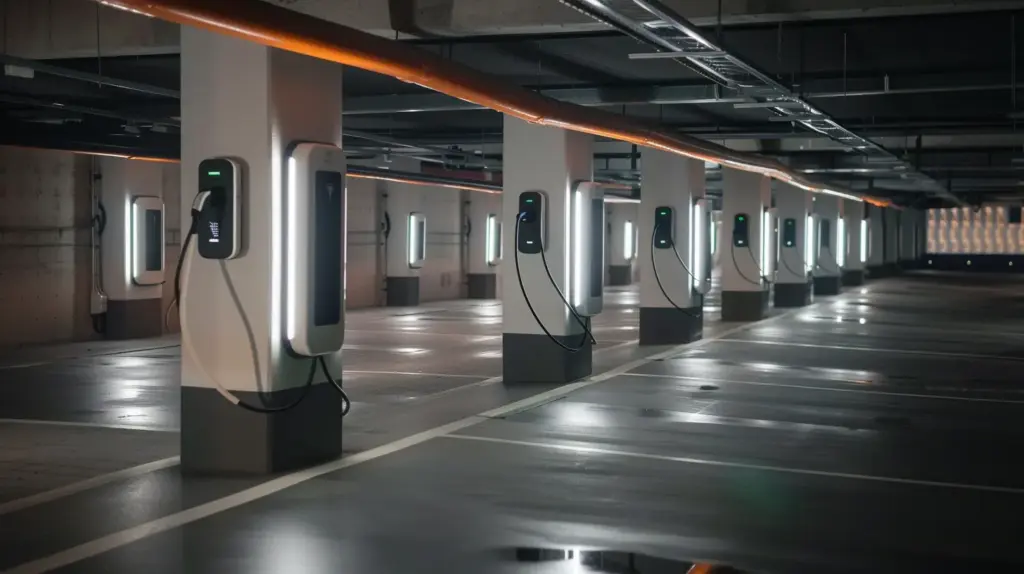
AC charging is ideal for night charging because:
- Vehicles stay parked for long periods
- Lower power demand fits off-peak usage
Perfect for:
- Residential
- Fleet depots
- Workplace charging
Where QIAO Fits In
At QIAO, we provide:
- AC EV charging solutions designed for cost optimization
- Features include:
- Smart scheduling
- Load management
- Scalable deployment
Our systems help businesses:
- Shift charging to off-peak hours
- Reduce electricity costs
- Improve ROI
Turning charging into a cost-efficient operation
Real-World Strategy Example
Without Optimization
- Charging happens randomly
- High electricity bills
With Night Charging Strategy
- Charging scheduled overnight
- Significant cost reduction
Result:
Lower operational cost and higher efficiency
Future Trends
- Dynamic electricity pricing will become more common
- AI-based charging optimization will grow
- Night charging will dominate cost-sensitive applications
FAQ
1. Is EV charging cheaper at night?
Yes, due to lower electricity demand and off-peak pricing.
2. How much can I save by charging at night?
Typically 30–70%, depending on electricity pricing.
3. Does night charging affect battery health?
No, it is generally safe and often recommended.
4. Is AC charging better for night charging?
Yes, because it suits long parking durations.
5. Can businesses automate charging schedules?
Yes, using smart charging systems.