

Deep Dive
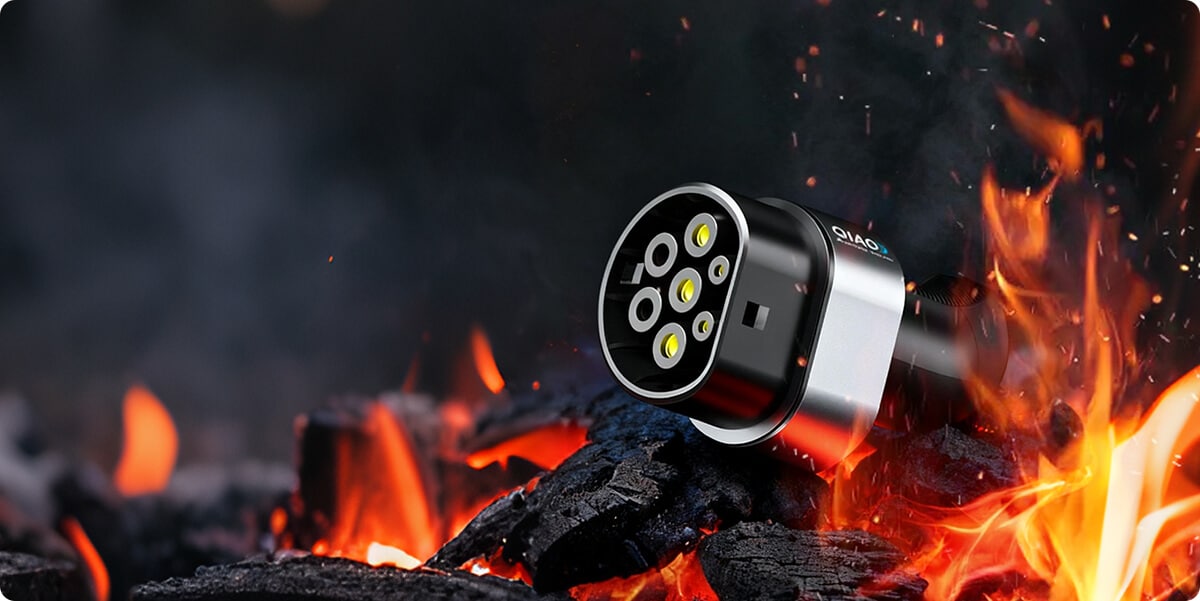
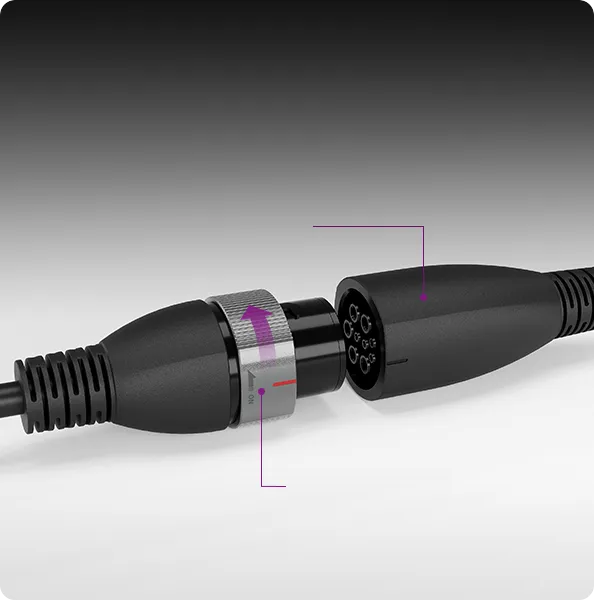
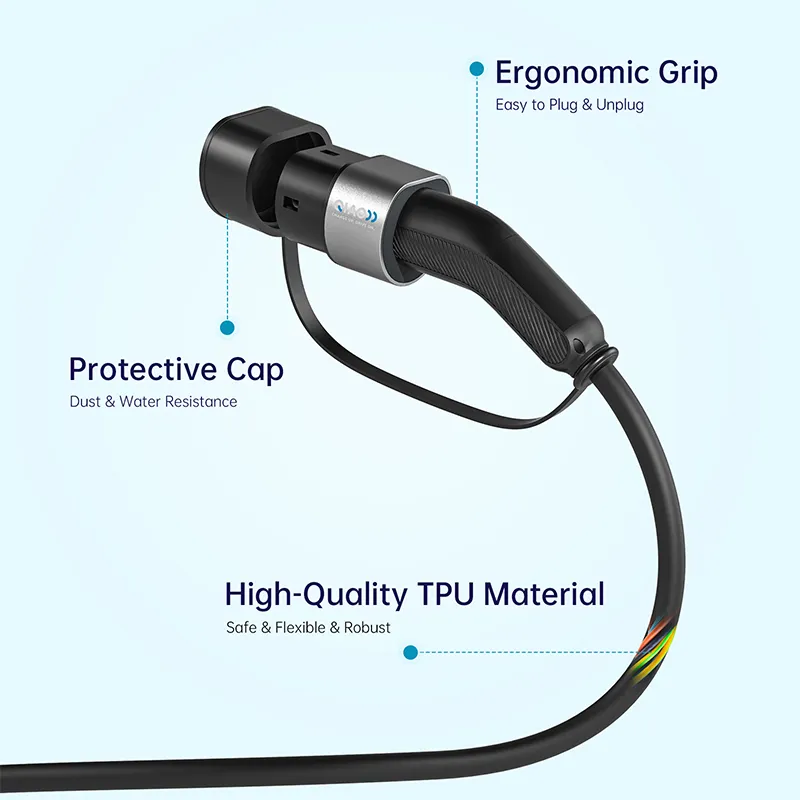
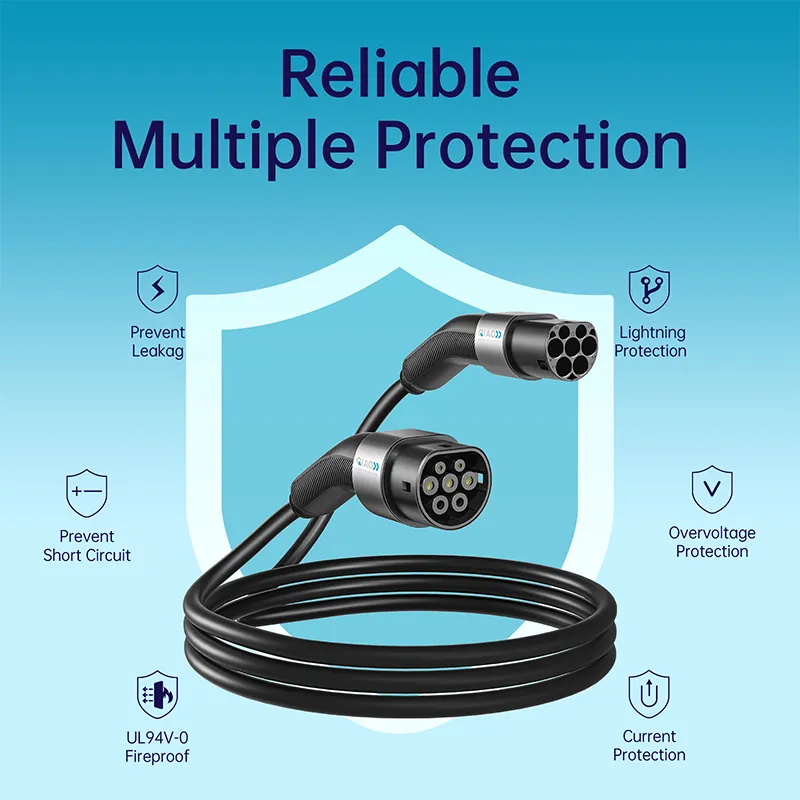
The EV charging cable made of flame-retardant ABS material, it offers excellent flame resistance, effectively preventing fire risks caused by short circuits and similar incidents, ensuring safety during use.
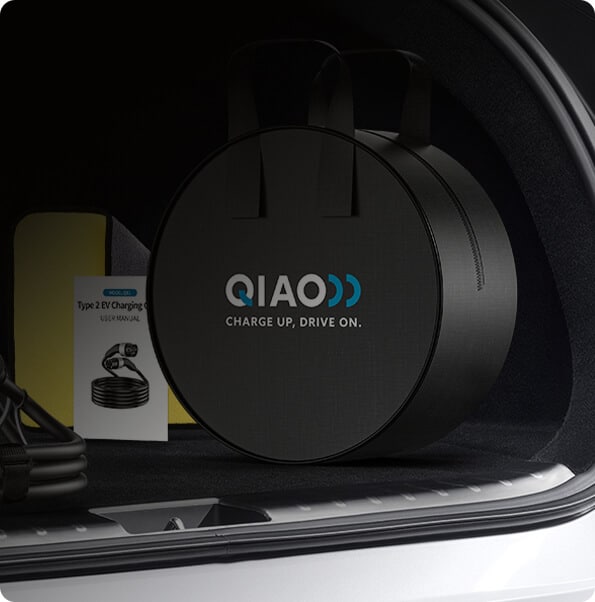
Compact 8cm design enables easy portability for on-the-go usage.
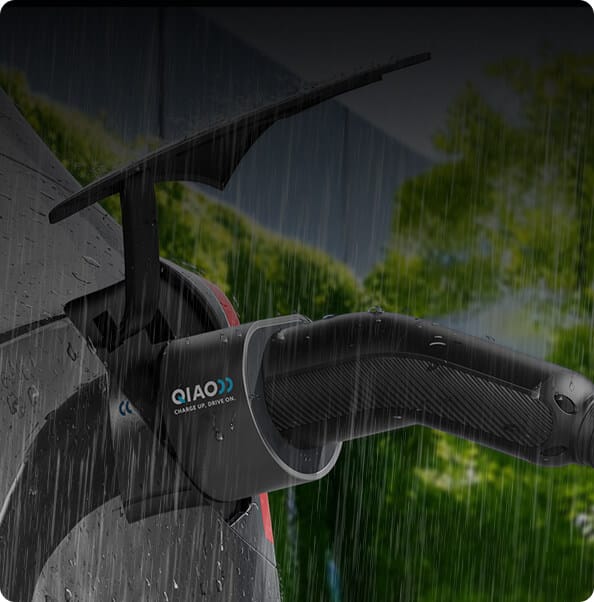
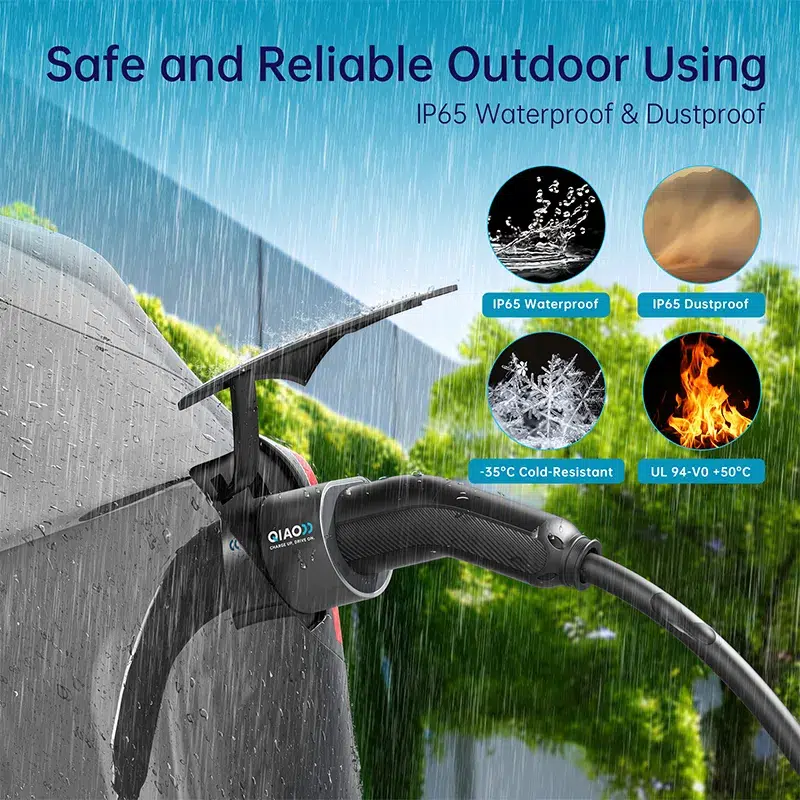
IP54-rated protection offers dust resistance and splash-proof capabilities, enabling reliable performance in outdoor/complex environments for extended durability.
Multi scenario guide
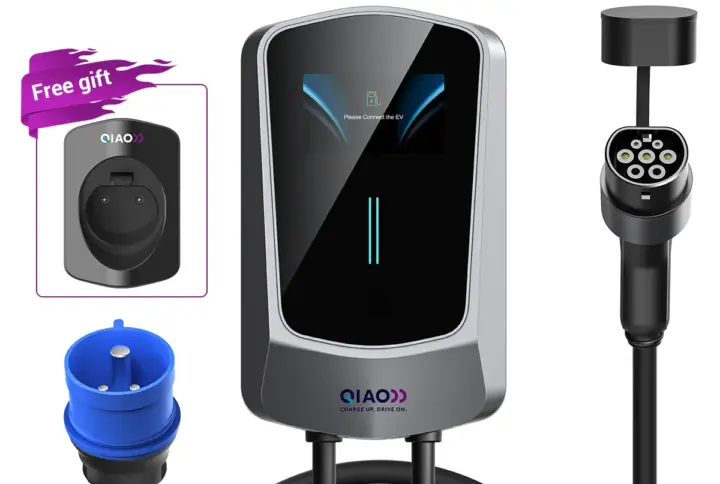
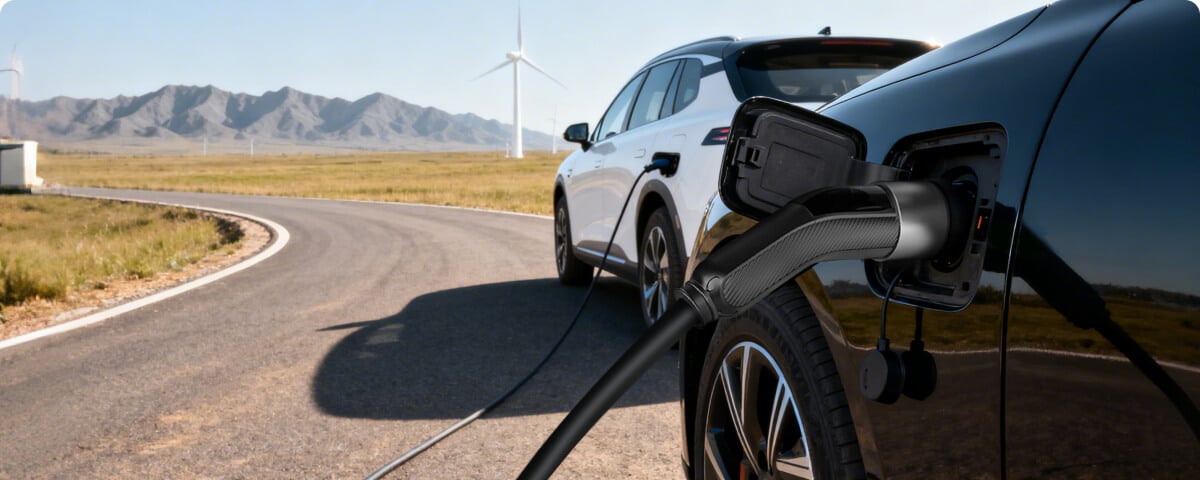
The QIAO portable EV charger, with its flexible and portable design and easy installation, can deeply adapt to various scenarios and meet the needs of traveling self-driving, household charging, using as a dual-head gun commercial charging station for power supply, and V2V vehicle-to-vehicle power assistance rescue, etc.
Adapter
The QIAO portable EV charger, with its flexible and portable design and easy installation, can deeply adapt to various scenarios and meet the needs of traveling self-driving, household charging, using as a dual-head gun commercial charging station for power supply, and V2V vehicle-to-vehicle power assistance rescue, etc.
FAQs
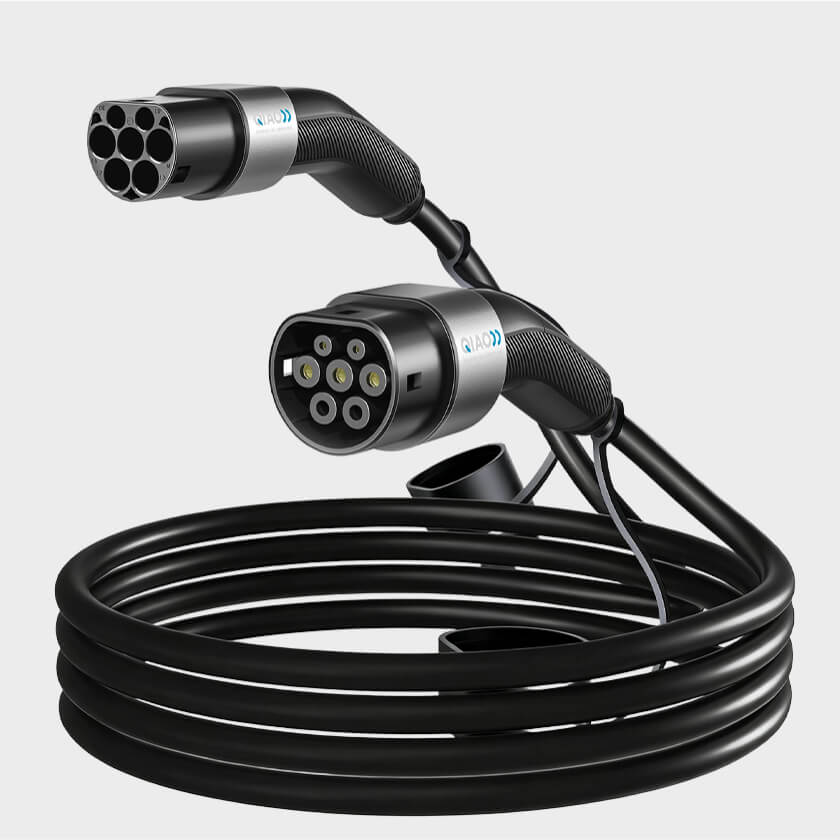
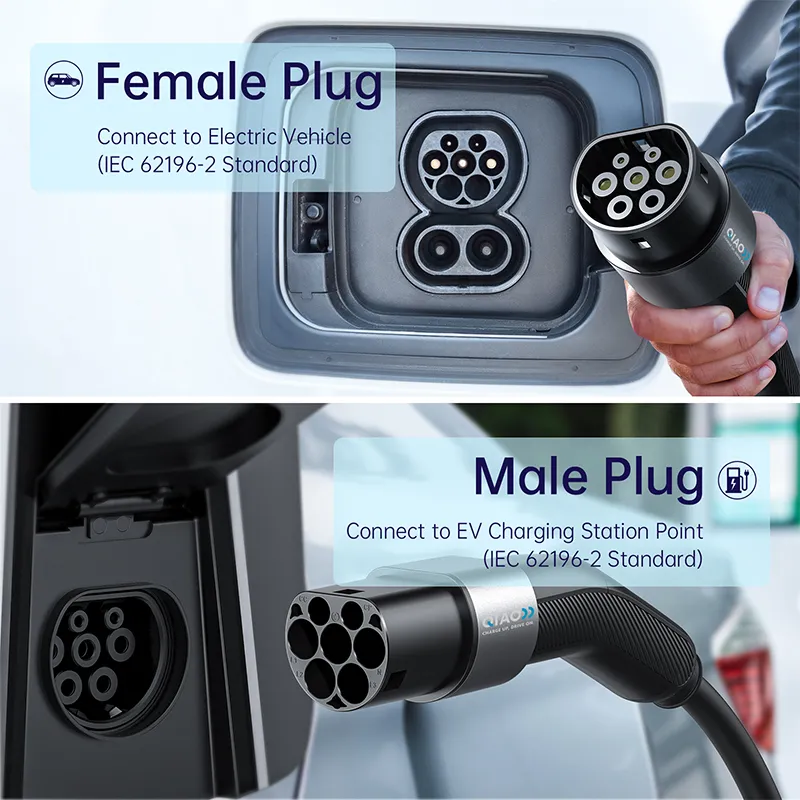
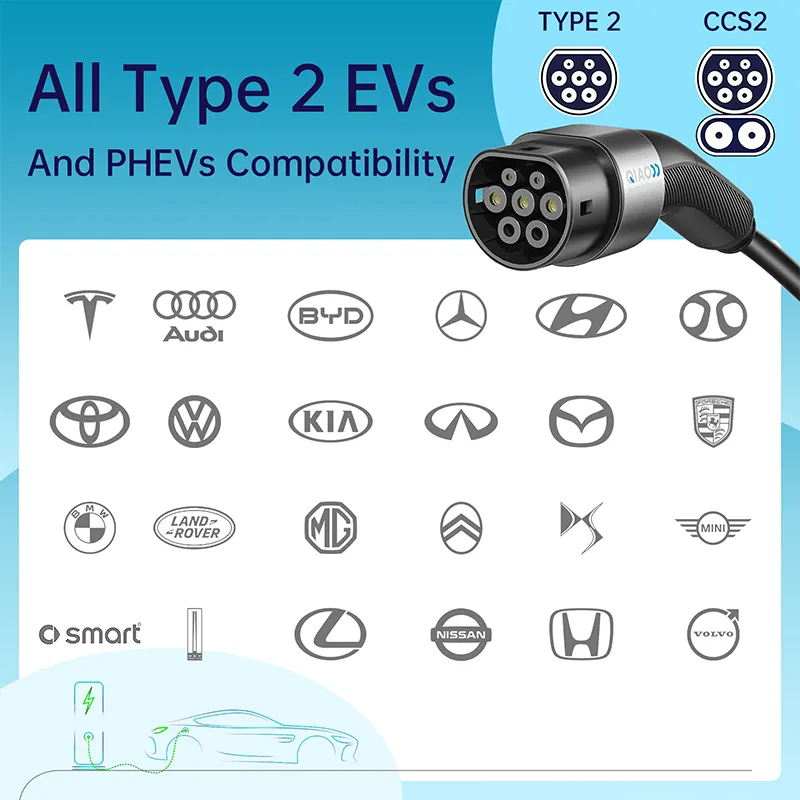
This cable is compatible with electric vehicles and plug-in hybrids that have a Type 2 AC charging inlet. The charging station or wallbox must also have an untethered Type 2 socket. It is not designed for vehicles with Type 1, NACS, GB/T, or other charging inlets unless a suitable adapter is used. Always check your vehicle manual and charging port before ordering.
Yes. You can use it with a home wallbox or public AC charging station that has a Type 2 socket and no permanently attached cable. This type of charger is also called an untethered charger. If the charger already has its own fixed cable, you normally do not need a separate Type 2 to Type 2 cable.
Check your vehicle’s maximum AC charging rate and whether it supports single-phase or three-phase charging. Choose a 7 kW cable for single-phase charging up to 7 kW, an 11 kW cable for three-phase charging up to 11 kW, or a 22 kW cable for three-phase charging up to 22 kW. The actual charging speed will be limited by the vehicle, charging station, or cable—whichever has the lowest rating.
A single-phase cable is designed for a single-phase power supply and can support charging at up to 7 kW. A three-phase cable can support 11 kW or 22 kW when the vehicle and charging station are compatible. Three-phase cables can also be used at lower charging rates, but they are usually thicker, heavier, and more expensive than single-phase cables.
Not by itself. The actual charging speed is limited by the lowest-rated part of the charging system: the charging station, the cable, or the vehicle’s onboard AC charger. For example, a vehicle that accepts only 7 kW AC will still charge at about 7 kW when connected with a 22 kW cable. A 22 kW cable allows faster charging only when the full system supports it.
Yes. A 22 kW Type 2 cable can normally be used with 7 kW and 11 kW Type 2 AC chargers. The charger and vehicle will control the charging rate, so the cable will not send more power than the system can accept. The main trade-offs are that a 22 kW cable may be heavier and less flexible than a lower-rated cable.
Yes, provided the station supports single-phase charging and both ends use Type 2 sockets. The charging system should limit the current to the cable’s rated capacity, so the vehicle will not receive the full 22 kW. Charging speed will also depend on the vehicle’s onboard charger. If you regularly use 11 kW or 22 kW stations, a three-phase cable may be a better choice.
No. This is a Type 2 to Type 2 cable for AC charging. It cannot be used as a CCS2 DC fast-charging cable. CCS2 rapid chargers normally have a larger connector and a permanently attached cable that sends DC power directly to the vehicle battery. Use this Type 2 cable only with compatible Type 2 AC charging sockets.
Choose the shortest cable that can comfortably reach between the charger and your vehicle without being stretched. A 5 m or 7 m cable is easier to carry and store when the charger is close to the vehicle. A 10 m or 15 m cable offers more flexibility for larger parking spaces or difficult charger locations, but it will be heavier and require more storage space.
We can also provide 7 m and 15 m cables upon request. Please contact us to confirm availability and ordering details.
Yes. The cable has an IP54 rating, which provides protection against dust and water splashes. It can be used outdoors in normal rainy conditions when the connectors are fully inserted into the vehicle and charger. Do not use it if the cable or connector is damaged. Keep unplugged connector ends away from standing water, and replace the protective covers before storage.