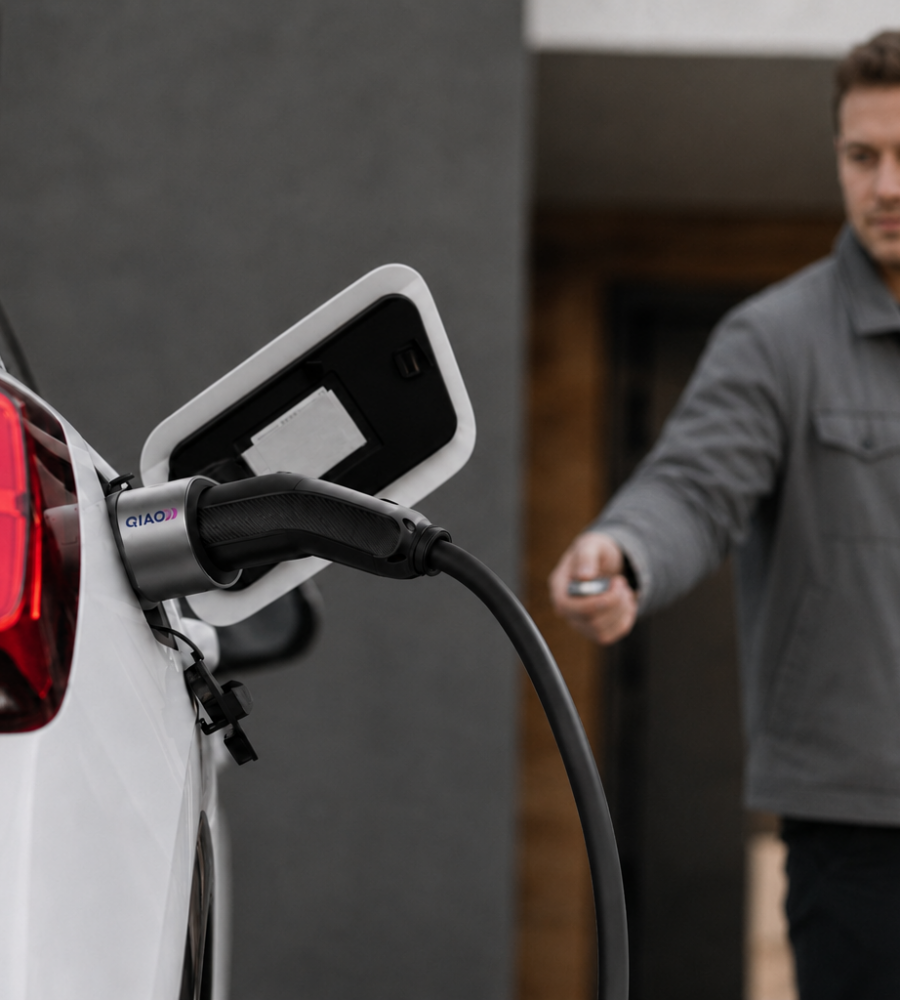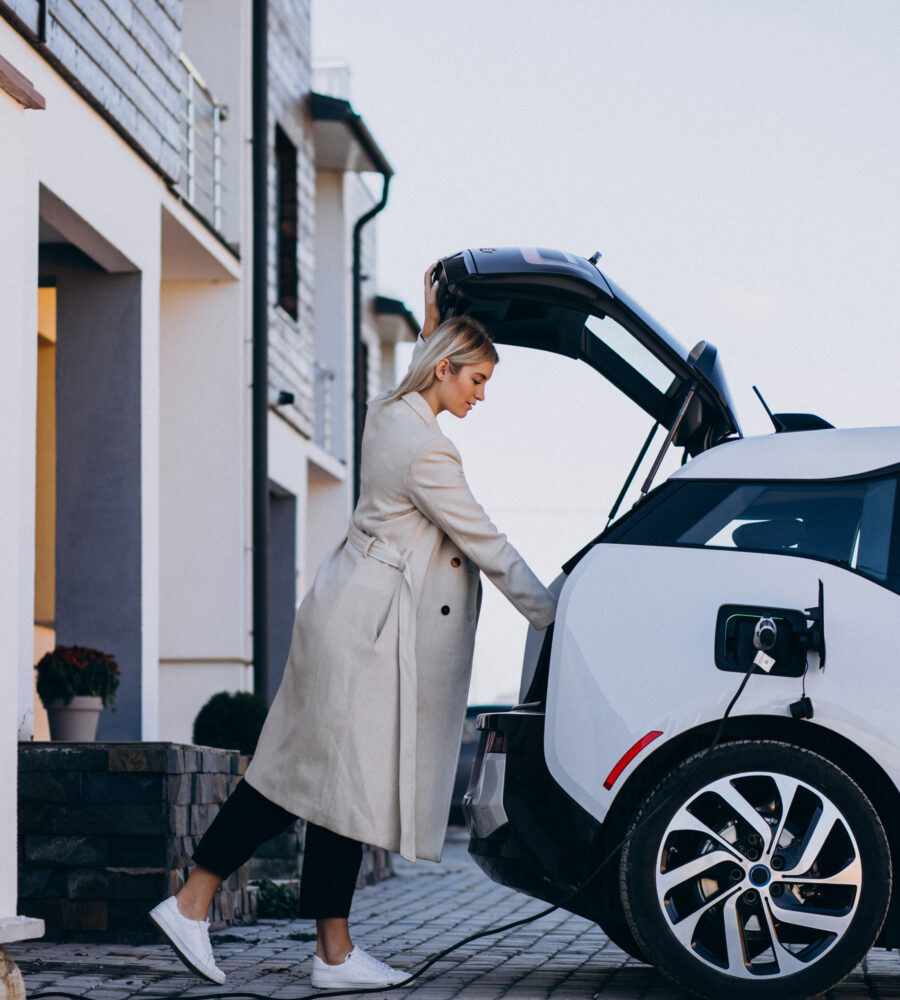

Many EV users notice something confusing:
The same car can charge at very different speeds depending on the charger used.
Even when the charger looks similar, charging time can vary significantly.
This is not a defect—it’s a result of how EV charging systems work.
Understanding this helps:
- Improve user experience
- Optimize infrastructure planning
- Avoid incorrect assumptions in B2B deployments
Key Insight
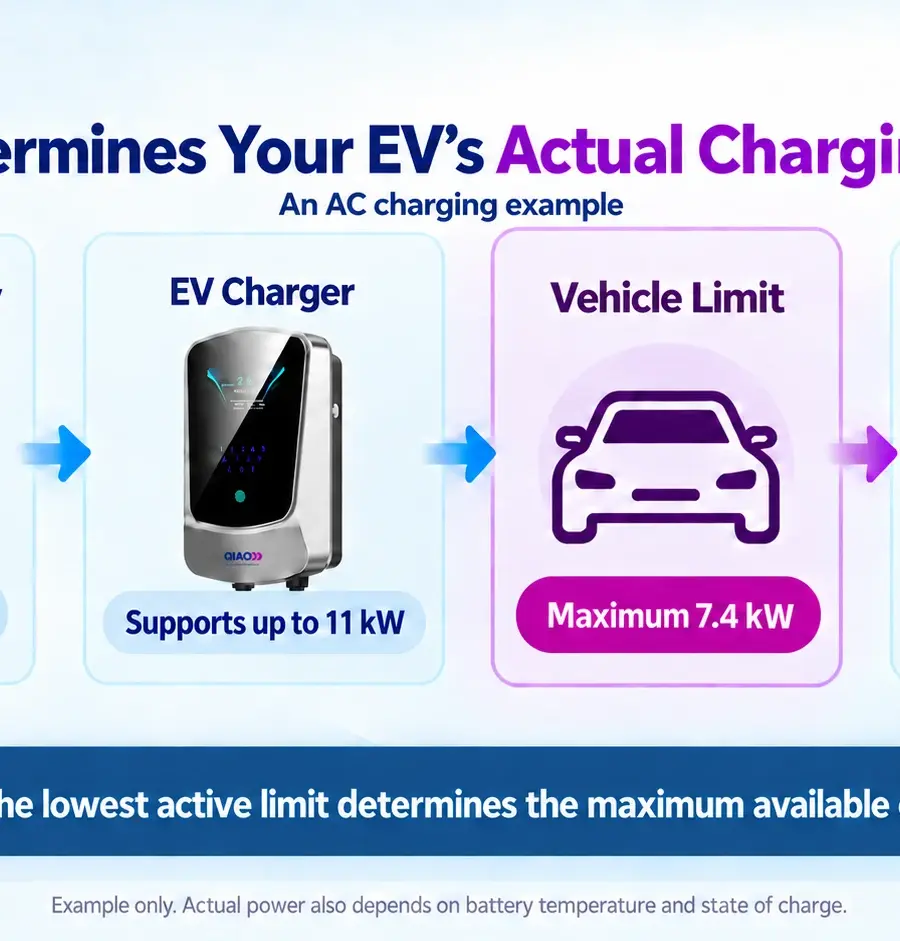
Charging speed is not determined by the charger alone—it depends on the entire system.
This includes:
- The vehicle
- The charger
- The power supply
- Environmental conditions
7 Key Factors That Affect Charging Speed
1. Vehicle Onboard Charger (OBC) Limit
For AC charging, the vehicle plays a major role.
- Each EV has a built-in onboard charger
- It limits how much power the car can accept
Example:
| Charger Power | Vehicle Limit | Actual Charging Power |
| 22 kW | 7 kW | 7 kW |
| 11 kW | 11 kW | 11 kW |
Even if the charger is powerful, the vehicle may limit speed.
2. Charger Power Rating
Chargers have different capacities:
- 3.7 kW
- 7 kW
- 11 kW
- 22 kW
Lower-rated chargers naturally provide slower charging.
3. Single-Phase vs Three-Phase Power
Power supply matters:
- Single-phase → lower output
- Three-phase → higher output
A car connected to single-phase may charge much slower.
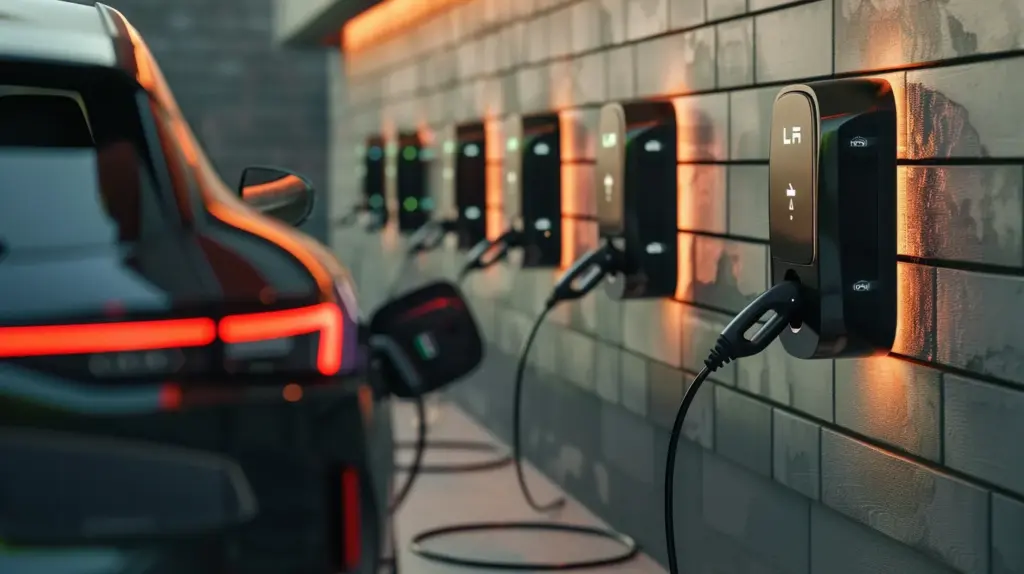
4. Load Sharing / Power Distribution
In commercial setups:
- Multiple chargers share available power
Result:
- Each charger may receive reduced power
5. Battery State of Charge (SOC)
Charging slows down when:
- Battery is nearly full
This is normal behavior to protect battery health.
6. Temperature Conditions
Extreme temperatures affect:
- Battery performance
- Charging efficiency
Cold weather:
- Slower charging
Hot weather:
- Power may be reduced for safety
7. Cable and Installation Factors
- Cable length
- Connection quality
- Voltage drop
Poor installation can reduce effective power delivery.
AC vs DC Charging Differences
| Factor | AC Charging | DC Charging |
| Power control | Vehicle (OBC) | Charger |
| Speed variability | High | Lower |
| Key limitation | Vehicle | Charger |
Insight:
AC charging variability is higher because part of the system is inside the vehicle.
Real-World Scenario
Same EV, Different Chargers
| Scenario | Result |
| Home charger (7 kW) | Slow |
| Office charger (11 kW) | Medium |
| Public charger (22 kW but vehicle limited) | Still medium |
Conclusion:
The vehicle—not the charger alone—defines the real charging speed.
Why This Matters for B2B Projects
1. Customer Expectations
Users may blame:
- Charger performance
- Service quality
Even when the issue is vehicle-related
2. Infrastructure Planning
Incorrect assumptions lead to:
- Overinvestment
- Underperformance
3. System Optimization
Understanding variability helps:
- Better charger selection
- Efficient deployment
How to Optimize Charging Performance
1. Match Charger Power to Vehicle Needs
- Avoid overspec or underspec
2. Use Smart Load Management
- Balance power distribution
- Improve overall efficiency
3. Ensure High-Quality Installation
- Proper cabling
- Stable connections
4. Educate End Users
- Explain realistic charging expectations
Where QIAO Fits In
At QIAO, we provide:
- AC EV charging solutions designed for real-world performance
- Systems that consider:
- Vehicle limitations
- Power distribution
- Installation quality
Our solutions help:
- Deliver consistent charging experience
- Optimize infrastructure efficiency
- Reduce user complaints
Turning technical complexity into reliable performance
Common Misconceptions
- “All chargers with the same power are equal” ❌
- “Faster charger always means faster charging” ❌
- “Charging speed depends only on the charger” ❌
Reality:
Charging speed is a system-level outcome
FAQ
1. Why does my EV charge slower on some chargers?
Because charging speed depends on the vehicle, charger, and power supply.
2. Does a higher kW charger always mean faster charging?
No. The vehicle may limit how much power it can accept.
3. Why is charging slower when the battery is almost full?
To protect battery health, charging speed is reduced.
4. Does temperature affect charging speed?
Yes. Both hot and cold temperatures can reduce performance.
5. Is AC charging less consistent than DC charging?
Yes, because AC charging depends more on the vehicle.