
As businesses transition toward electrified transportation, fleet EV charging solutions have become essential for companies operating electric vehicle fleets.
From logistics companies to corporate service vehicles, fleet operators require reliable charging infrastructure that can support large numbers of vehicles while maintaining operational efficiency.
Deploying the right charging solution ensures vehicles remain available for daily operations while controlling electricity costs and infrastructure complexity.

What Is Fleet EV Charging?
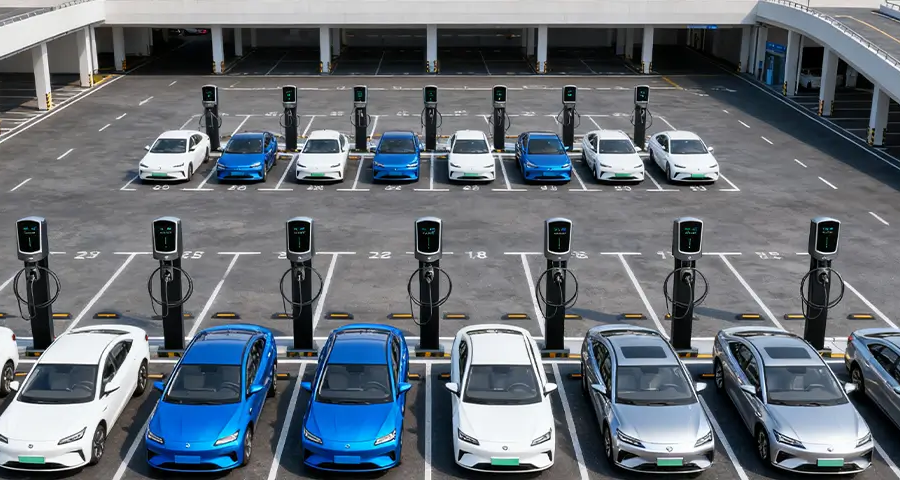
Fleet EV charging refers to charging infrastructure specifically designed for organizations operating multiple electric vehicles.
Typical fleet environments include:
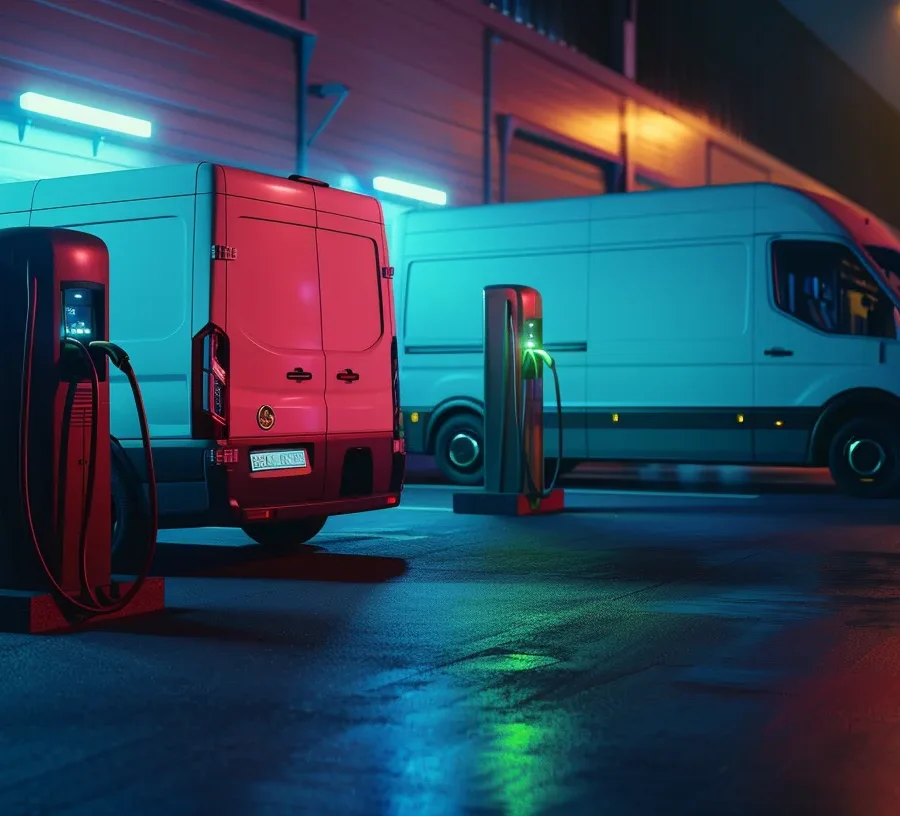
- delivery and logistics fleets
- corporate service vehicles
- municipal vehicles
- taxi and ride-hailing fleets
- public transportation vehicles
Fleet electrification overview from the International Energy Agency:
https://www.iea.org/reports/global-ev-outlook
Fleet charging infrastructure must support predictable operations, high vehicle utilization, and centralized management.
Why Fleet Charging Is Different from Public Charging
Fleet charging systems are designed around operational efficiency rather than convenience.
Key differences include:
Predictable Charging Schedules
Fleet vehicles typically follow scheduled routes and return to the same depot daily.
This allows charging to occur during:
- overnight parking
- scheduled downtime
- shift changes
Higher Charger Utilization
Fleet chargers often operate at higher utilization rates than public chargers.
Multiple vehicles may share the same charging equipment depending on scheduling.
Centralized Energy Management
Fleet operators usually require centralized control platforms to monitor charging activity.
These systems track:
- vehicle charging status
- electricity consumption
- charger availability
- operational efficiency
Charging network communication is often based on the Open Charge Point Protocol from the Open Charge Alliance
Types of Fleet Charging Infrastructure
Fleet charging infrastructure can vary depending on vehicle type and operational requirements.
Depot Charging
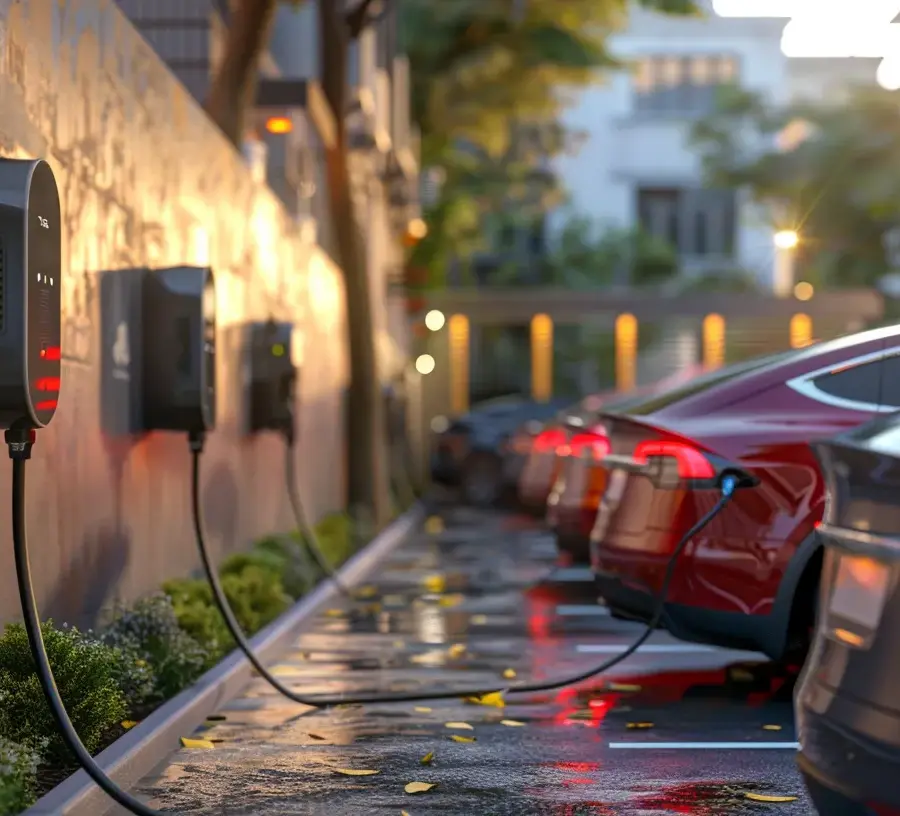
Depot charging is the most common solution for fleet operators.
Vehicles return to a central depot or parking facility, where chargers are installed.
Typical features include:
- overnight charging
- centralized charger management
- predictable energy demand
Depot charging is widely used for:
- delivery fleets
- service vehicles
- municipal vehicles
Opportunity Charging
Opportunity charging occurs during short breaks or operational downtime.
Vehicles may charge at:
- warehouses
- logistics hubs
- commercial parking areas
This approach is useful for fleets operating multiple shifts per day.
Fast Charging for High-Utilization Fleets
Some fleets require DC fast charging to minimize downtime.
Examples include:
- taxi fleets
- ride-hailing services
- urban logistics vehicles
Fast charging provides rapid energy replenishment but requires higher grid capacity.
Charging technology reference from the U.S. Department of Energy:
https://www.energy.gov/eere/electricvehicles/charging-home
Smart Charging and Energy Management
Large fleets can place significant demand on electrical infrastructure.
Smart charging technologies help manage this demand efficiently.
Dynamic Load Management
Dynamic load management distributes available electrical power across multiple chargers.
Benefits include:
- preventing electrical overload
- maximizing charger utilization
- reducing infrastructure upgrade costs
Load management is often part of broader energy management systems.
Demand response concept reference:
https://en.wikipedia.org/wiki/Demand_response
Charging Schedule Optimization
Fleet operators can schedule charging sessions to take advantage of:
- off-peak electricity pricing
- overnight energy availability
- renewable energy generation
Optimized charging schedules reduce operating costs.

Planning Fleet Charging Infrastructure
Deploying fleet charging infrastructure requires careful planning.
Key factors include:
Vehicle Energy Demand
Operators must estimate daily energy requirements based on:
- vehicle range
- route distance
- charging frequency
Electrical Capacity
Electrical infrastructure must support the total power demand of the fleet.
Companies often conduct power demand analysis before installing chargers.
Future Fleet Expansion
EV fleets often expand over time.
Charging infrastructure should be designed with scalability in mind, allowing additional chargers to be installed as fleets grow.
Benefits of Fleet EV Charging
Adopting EV fleet charging solutions offers several advantages.
Lower Operating Costs
Electric vehicles typically have lower fuel and maintenance costs compared to internal combustion vehicles.
Reduced Emissions
Fleet electrification contributes to corporate sustainability goals by reducing transportation-related emissions.
Operational Efficiency
With centralized charging management, fleet operators gain better control over vehicle availability and energy usage.
The Future of Fleet Charging
Fleet electrification is expected to accelerate over the next decade.
Emerging trends include:
- smart energy integration
- vehicle-to-grid (V2G) technology
- renewable energy-powered depots
- automated fleet energy management systems
These innovations will transform fleet charging into a key component of smart energy infrastructure.
Conclusion
Fleet EV charging solutions are essential for organizations transitioning to electric transportation.
By deploying well-planned charging infrastructure and smart energy management systems, fleet operators can ensure reliable vehicle operations while controlling electricity costs and supporting sustainability initiatives.
As fleet electrification continues to expand, scalable and intelligent charging infrastructure will become a critical part of modern fleet management.
About QIAO
QIAO provides reliable AC EV charging solutions designed for business and fleet environments.
Our charging systems support:
- smart load balancing
- scalable infrastructure deployment
- OCPP-compatible management platforms
- reliable charging for commercial operations
QIAO solutions help businesses build efficient and future-ready fleet charging infrastructure.
FAQ
What is fleet EV charging?
Fleet EV charging refers to charging infrastructure used by organizations operating multiple electric vehicles.
Where do fleets typically charge vehicles?
Most fleets charge vehicles at central depots or parking facilities.
Do fleets use AC or DC chargers?
Many fleets use AC chargers for overnight charging, while high-utilization fleets may require DC fast chargers.
How do fleets manage charging for multiple vehicles?
Fleet operators use smart charging platforms and load management systems to optimize charging schedules and energy usage.