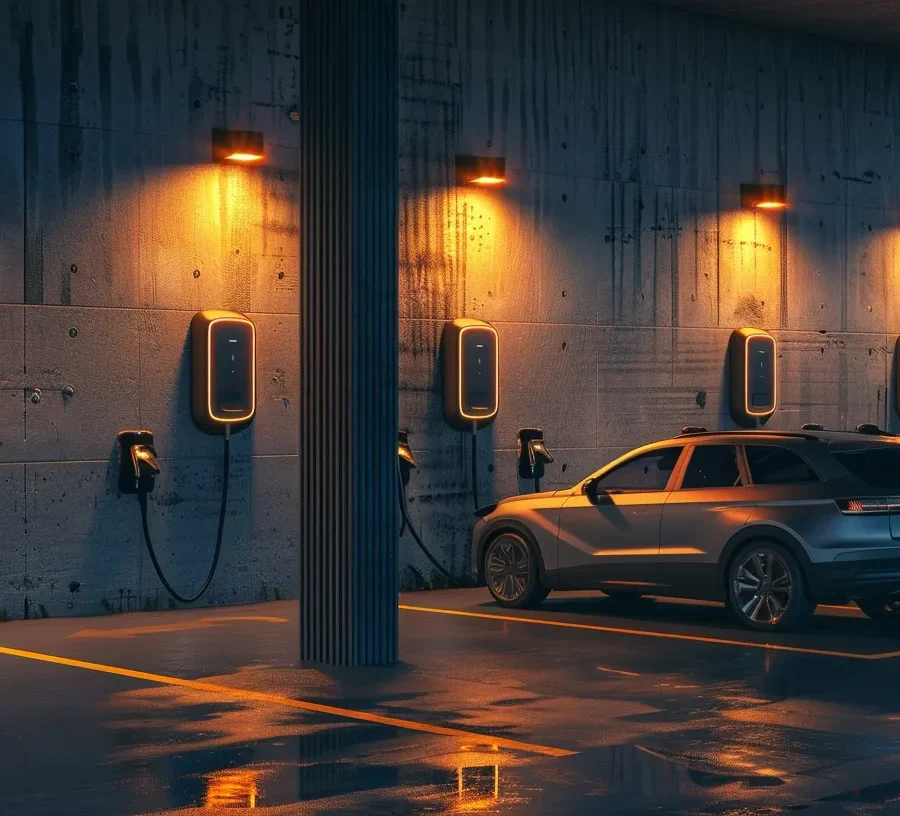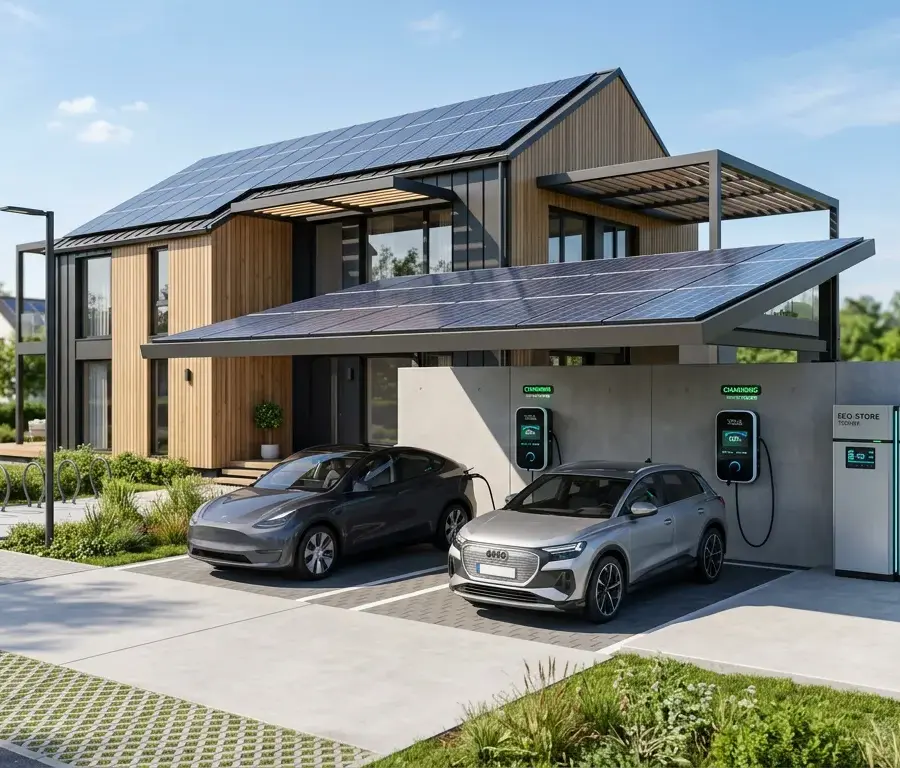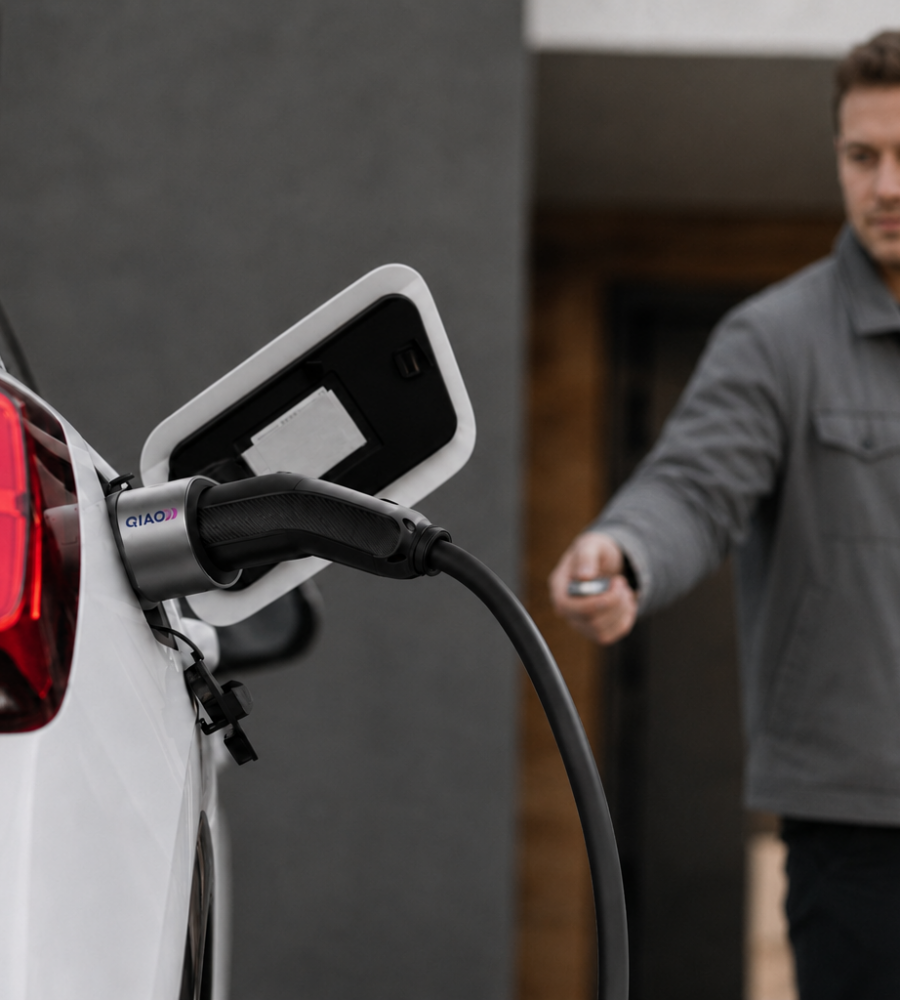

As electricity costs rise and grid constraints increase, businesses are exploring smarter energy solutions for EV charging.
One of the most effective approaches is:
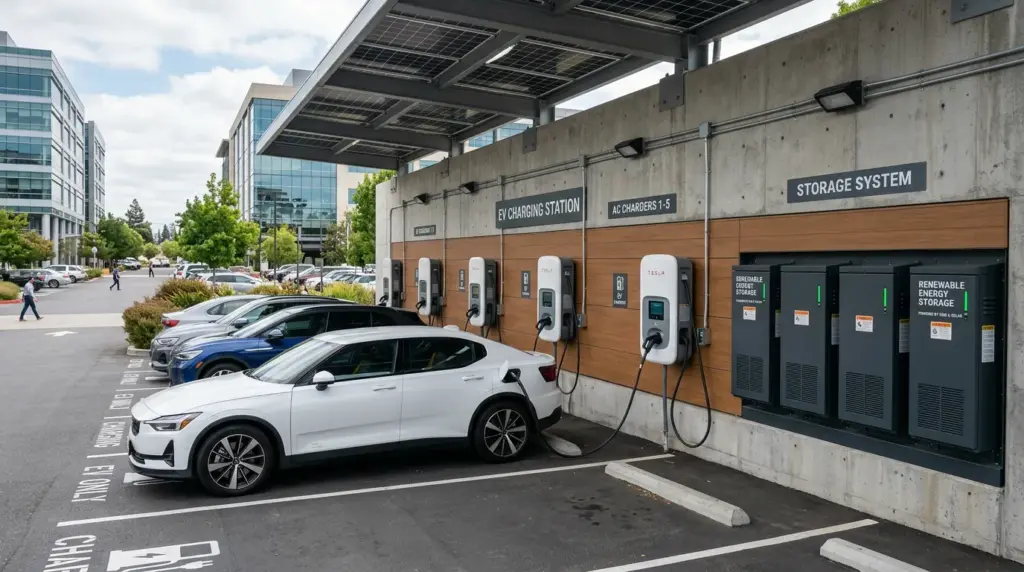
Combining AC EV charging with Energy Storage Systems (ESS)
This integrated system can:
- Reduce energy costs
- Improve grid stability
- Enhance charging flexibility
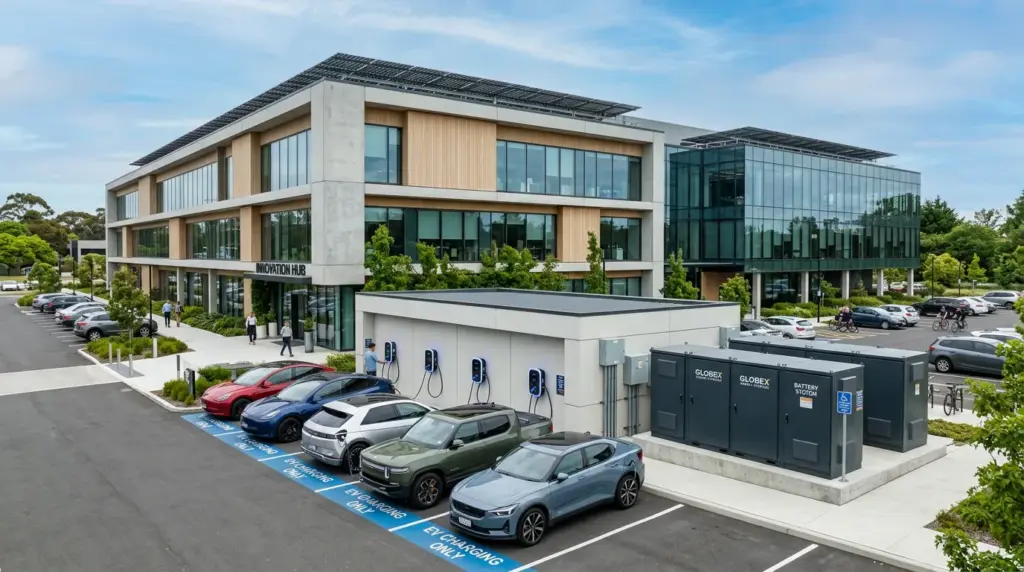
What Is an AC + ESS Charging System?
A typical system includes:
- AC EV chargers
- Battery energy storage system (ESS)
- Energy management system (EMS)
- Grid connection
Energy flow:
Grid / Solar → ESS → AC Charger → Vehicle
Why Add Energy Storage to AC Charging?
1. Peak Shaving
- Store energy during off-peak hours
- Use it during peak demand
Source:
https://www.energy.gov/eere/solar/solar-plus-storage
2. Energy Cost Optimization
- Avoid high electricity tariffs
- Improve overall efficiency
Source:
https://www.nrel.gov/docs/fy20osti/74426.pdf
3. Grid Constraint Mitigation
- Reduce load spikes
- Enable more chargers without grid upgrades
Source:
https://www.iea.org/reports/energy-storage
4. Backup Power
- Maintain operations during outages
Source:
https://www.energy.gov/eere/solar/articles/energy-storage-101
Cost Structure Breakdown
1. Hardware Costs
| Component | Cost Level |
| AC chargers | Medium |
| ESS (battery) | High |
| EMS system | Medium |
Insight:
ESS is the most expensive component
Source:
https://about.bnef.com/blog/battery-pack-prices-fall-to-an-average-of-139-kwh/
2. Installation Costs
- Electrical infrastructure
- Labor
- Site preparation
Source:
https://www.nrel.gov/docs/fy19osti/72100.pdf
3. Operational Costs
- Electricity
- Maintenance
- Software
Source:
https://www.iea.org/reports/global-ev-outlook-2024
Cost Comparison: With vs Without ESS
| Factor | AC Only | AC + ESS |
| Initial cost | Lower | Higher |
| Energy cost | Higher | Lower |
| Grid dependency | High | Lower |
| ROI | Medium | Long-term higher |
Insight:
ESS increases upfront cost but improves long-term economics
ROI Analysis
Key Factors Affecting ROI
- Electricity price volatility
- Peak demand charges
- Charging utilization rate
- System size
1. Peak Demand Savings
Source:
https://www.energy.gov/eere/analysis/demand-response
2. Energy Arbitrage
Source:
https://www.iea.org/reports/energy-storage
3. Battery Cost Decline Trend
According to BloombergNEF:
- Battery costs continue to decline over time
Source:
https://about.bnef.com/electric-vehicle-outlook/
When Does AC + ESS Make Sense?
1. High Electricity Price Regions
Source:
https://www.iea.org/reports/electricity-market-report
2. Limited Grid Capacity
Source:
https://www.nrel.gov/transportation/electrification.html
3. Fleet Charging Depots
Source:
https://www.nrel.gov/docs/fy23osti/84305.pdf
4. Solar Integration Projects
Source:
https://www.energy.gov/eere/solar/solar-plus-storage
AC Charging Advantage in ESS Systems
AC charging works well with ESS because:
- Lower power demand
- Easier load balancing
- Better alignment with stored energy
Source:
https://www.nrel.gov/docs/fy17osti/69031.pdf
Challenges to Consider
- High upfront investment
- Battery degradation over time
Source:
https://www.nrel.gov/docs/fy19osti/73222.pdf
Future Trends
- ESS costs are decreasing
- Smart energy systems are growing
Source:
https://about.bnef.com/electric-vehicle-outlook/
Where QIAO Fits In
At QIAO, we provide:
- AC EV charging solutions compatible with ESS integration
Helping clients:
- Reduce costs
- Improve flexibility
- Optimize energy systems
FAQ
1. What is an AC + ESS charging system?
A system combining AC chargers with battery storage.
2. Is ESS worth the investment?
Yes, especially in high electricity cost environments.
3. What is the biggest cost component?
The battery system.
4. Can ESS reduce electricity costs?
Yes, through peak shaving and energy arbitrage.
5. Is AC charging suitable for ESS?
Yes, it is highly compatible.