
When discussing EV charging performance, most people focus on:
- Charger power
- Vehicle capability
- Grid capacity
However, one often overlooked factor is:
Cable length
In real-world installations, especially in commercial and fleet environments, cable length can directly impact:
- Charging efficiency
- Energy loss
- System reliability
Understanding this factor is essential for optimizing AC EV charging solutions.
The Basic Principle: Resistance Causes Energy Loss
Electric current flowing through a cable encounters resistance.
The longer the cable:
- The higher the resistance
- The greater the energy loss
Simplified Concept
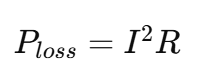
Where:
- III = current
- RRR = resistance (increases with cable length)
How Cable Length Impacts Charging Efficiency
1. Increased Energy Loss
Longer cables lead to:
- Higher resistance
- More heat generation
- Energy lost as heat
Result:
- Lower overall efficiency
2. Voltage Drop
As cable length increases:
- Voltage decreases along the cable
Result:
- Reduced charging power
- Slower charging speed
Suggested external link:
- “Voltage drop in electrical systems” → energy.gov
3. Heat Generation
Energy loss becomes heat:
- Higher temperature in cables
- Potential safety concerns
Especially important in:
- High-current applications
- Poor ventilation environments
4. Reduced System Performance
Combined effects lead to:
- Lower effective power delivery
- Longer charging times
Real-World Impact Example
| Cable Length | Efficiency Impact |
| Short (≤3m) | Minimal loss |
| Medium (5–10m) | Moderate loss |
| Long (>10m) | Significant loss |
Insight:
Small increases in cable length can lead to noticeable efficiency drops over time.
AC Charging vs DC Charging Sensitivity
| Factor | AC Charging | DC Charging |
| Current Level | Moderate | High |
| Cable Loss Impact | Medium | High |
| Efficiency Sensitivity | Moderate | Very High |
Even though AC operates at lower power:
Cable length still matters—especially in large deployments.
Why This Matters for B2B Projects
1. Commercial Installations
- Long cable runs across parking areas
- Multiple charging points
Poor planning = cumulative energy loss
2. Fleet Charging Depots
- Large layouts
- High usage frequency
Efficiency loss becomes cost impact over time
3. Outdoor Installations
- Cable routing challenges
- Environmental exposure
How to Minimize Cable-Related Losses
1. Optimize Cable Length
- Keep cables as short as practical
- Position chargers closer to parking spots
2. Use High-Quality Conductors
- Lower resistance materials
- Better insulation
3. Increase Cable Thickness (Lower Resistance)
- Thicker cables reduce resistance
- Improve efficiency
4. Proper Installation Design
- Efficient cable routing
- Avoid unnecessary extensions
5. Monitor System Performance
- Detect abnormal losses
- Optimize over time
Design Considerations for AC EV Charging Solutions
For optimal performance:
- Balance cable length and installation flexibility
- Consider future scalability
- Integrate smart load management
Efficiency is not just hardware—it’s system design
Where QIAO Fits In
At QIAO, we design:
- AC EV charging solutions optimized for real-world installations
- Systems that consider:
- Cable layout
- Efficiency optimization
- Long-term performance
Our approach ensures:
- Reduced energy loss
- Reliable charging performance
- Scalable infrastructure
Helping clients maximize efficiency and ROI
Common Mistakes to Avoid
- Using unnecessarily long cables
- Ignoring voltage drop
- Choosing low-quality materials
- Poor installation planning
FAQ
1. Does cable length affect EV charging efficiency?
Yes. Longer cables increase resistance and cause energy loss.
2. How much efficiency is lost with longer cables?
It depends on current and cable type, but losses increase significantly with length.
3. Can thicker cables improve efficiency?
Yes. Thicker cables reduce resistance and minimize losses.
4. Is cable length more important in DC charging?
Yes, due to higher current levels—but it still matters in AC systems.
5. What is the best cable length for EV charging?
As short as practical while maintaining usability and safety.