


Voltage and Frequency Standards Across Regions
Voltage and frequency are fundamental parameters of electrical systems, yet they vary significantly across regions. For EV charging infrastructure—especially...
Read More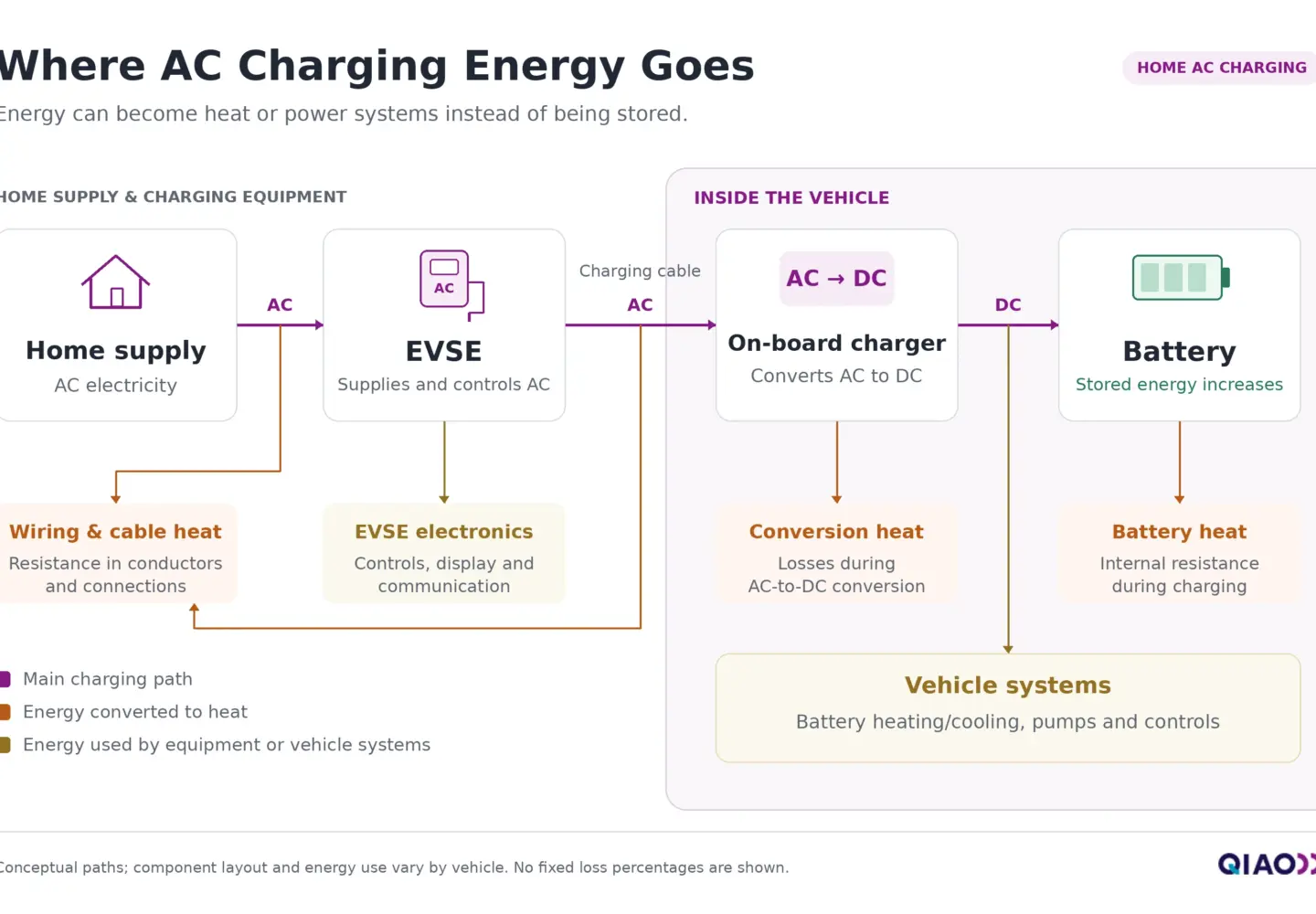
EV Charging Efficiency Explained: Losses, Costs and How to Measure Them
EV charging efficiency tells you how much of the electricity used for charging ends up stored in your battery....
Read More
Energy Cost Optimization for EV Charging
As EV charging becomes a core part of commercial and fleet operations, energy cost optimization is no longer optional. Electricity...
Read More
Grounding and Surge Protection for EV Charging Systems
As electric vehicle (EV) charging infrastructure becomes more widespread in commercial and public environments, electrical safety has become a critical...
Read More
How Smart Charging Helps Businesses Reduce Electricity Costs
As electric vehicles (EVs) become a permanent part of commercial operations, electricity cost management has become a critical concern...
Read More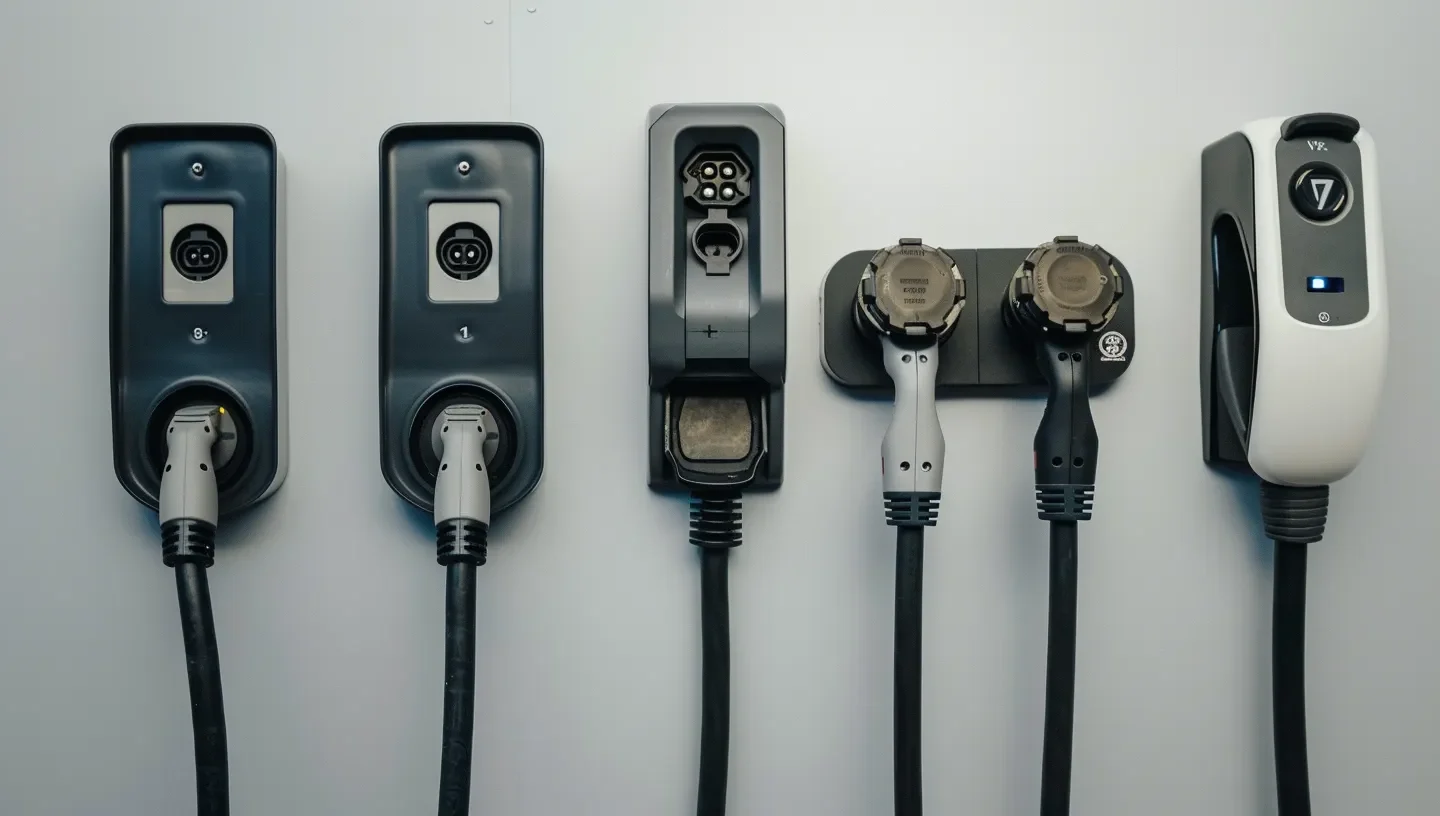
Global EV Charging Connector Comparison
Electric vehicle (EV) charging infrastructure depends heavily on connector standards, which define how vehicles receive power in different regions...
Read More
Changes in Charging Infrastructure Demand Across Global NEV Markets
As New Energy Vehicle (NEV) adoption accelerates worldwide, demand for charging infrastructure is evolving at different speeds across regions....
Read More
Commercial EV Charger FAQs & Troubleshooting Guide
Commercial EV chargers are expected to operate continuously, reliably, and safely in environments such as parking garages, retail locations, offices,...
Read More
Electrical Safety Standards
The Non-Negotiable Foundation of EV Charging Infrastructure As electric vehicles become part of everyday transportation, EV chargers are no longer...
Read More
Thermal Management During EV Charging
Why Heat Control Defines Safety, Efficiency, and Charger Lifespan Thermal management is one of the most critical—yet often overlooked—aspects of...
Read More