

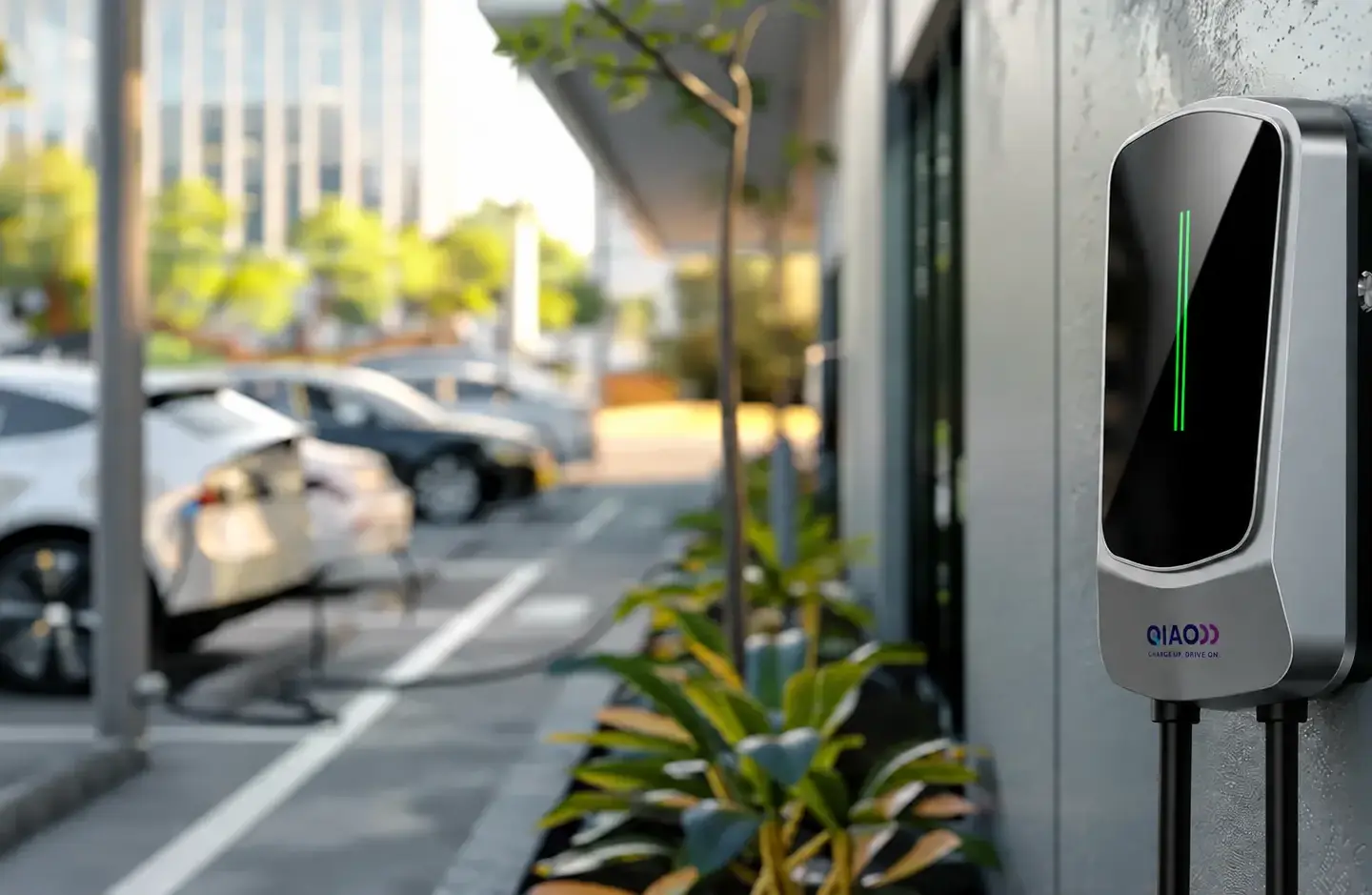
EV Charging Plug Standards by Market: Type 1, Type 2, GB/T, CCS and NACS
EV charging plug standards follow regional vehicle and electrical systems. North America uses Type 1, CCS1, and NACS. Europe...
Read More
Light-Duty vs Heavy-Duty EV Charging Explained
As electrification expands beyond passenger cars, the gap between light-duty and heavy-duty electric vehicle charging becomes increasingly important. Charging strategies...
Read More
Limitations of Onboard Chargers in AC EV Charging
When discussing EV charging performance, many users focus on the power rating of the charging station. However, in AC...
Read More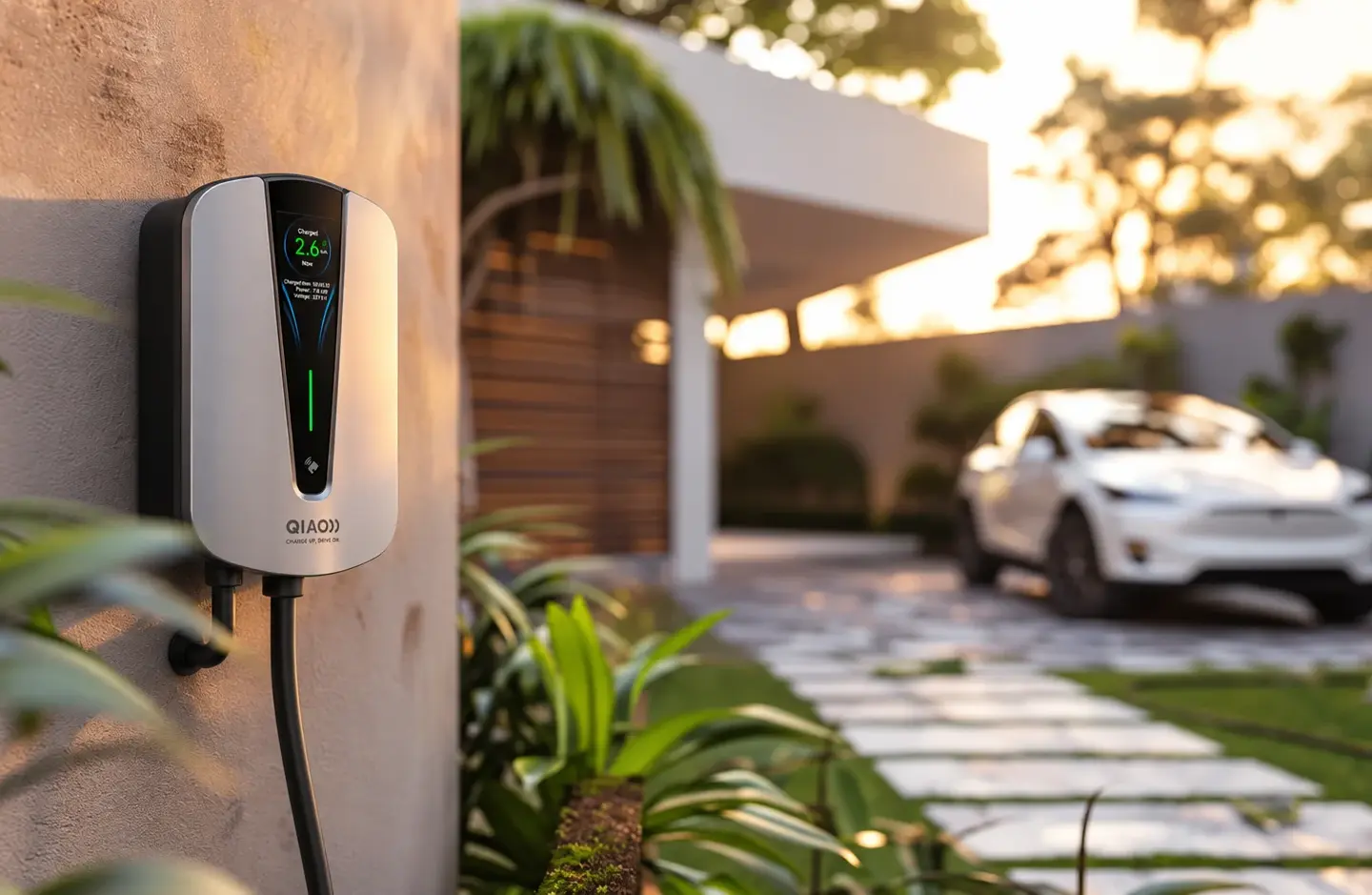
EV Charging Speed vs. Battery Capacity: How They Affect Charging Time
EV battery capacity, measured in kilowatt-hours (kWh), describes how much energy the battery can store. Charging power, measured in...
Read More
EV Charging for Hotels and Resorts: Planning and Buying Guide
EV charging for hotels allows guests to recharge while they sleep, attend meetings or use on-site facilities. AC charging...
Read More
High-Traffic and Public Area EV Charging
Designing Reliable AC Charging Solutions for Public Spaces As electric vehicle adoption accelerates worldwide, charging demand is rapidly shifting beyond...
Read More
Property Management Fee Models Explained
From Basic Services to Value-Driven Operations Property management has evolved far beyond basic maintenance and security. Today, it plays a...
Read More
How EV Chargers Protect the Power Grid with Load Balancing
Load Balancing and Dynamic Load Management Explained As EV adoption accelerates, one critical question emerges for utilities, site owners, and...
Read More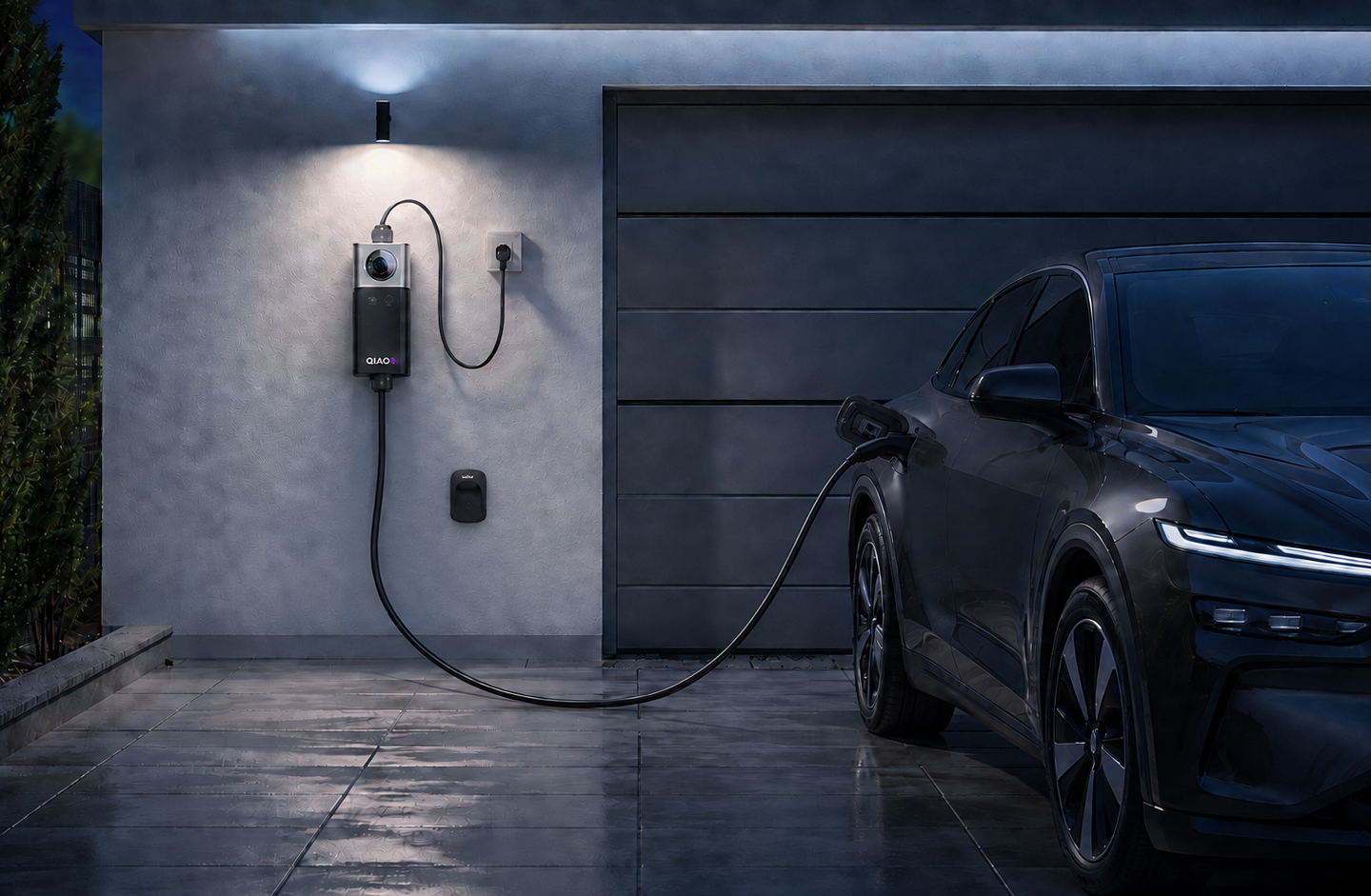
How to Choose a Portable EV Charger: 8 Things to Check Before Buying
To choose a portable EV charger, check both ends. The vehicle connector must fit your EV. The input plug...
Read More
Single-Phase vs. Three-Phase EV Charging: Which Do You Need?
Single-phase EV charging uses one phase of alternating current (AC), while three-phase charging uses three. Three-phase can provide more...
Read More